Understanding Your Rent: What Even Is Per Calendar Month?
Most UK rental listings show prices per calendar month (PCM), but many tenants and landlords are unsure what the wording actually means. PCM simply refers to a fixed monthly rent linked to the real calendar that helps keep payments clear and consistent.
In this guide, the Estate Agents Ilford explains how PCM works in listings, how it compares with weekly rent, and what to check before agreeing. You can also explore more local rental advice on the site.
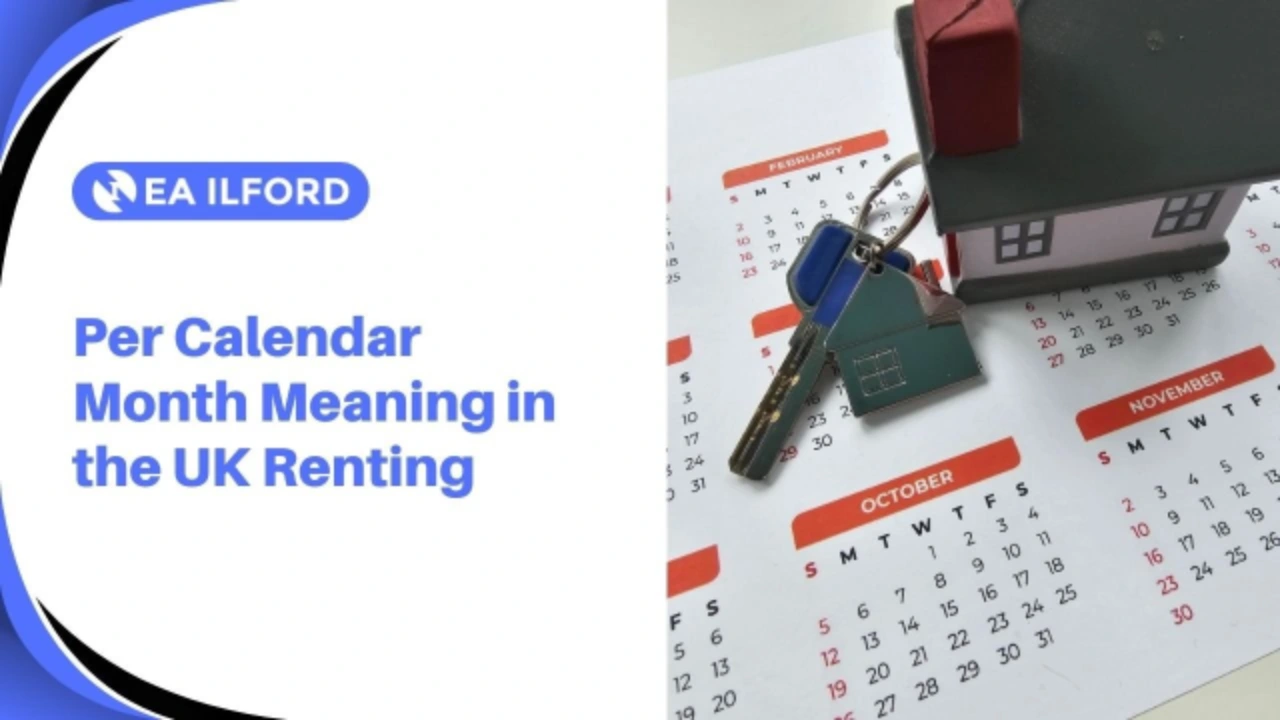
Per Calendar Month Meaning in the UK Renting
Per calendar month (abbreviated as PCM) is a common phrase in UK property management that is used to indicate the total amount of rent paid per month. Simply put, It means the agreed rent is paid once per calendar month, on the same date each month, normally on the same day. The common terms when searching for flats, houses or room listings for rent involve terms such as rent per calendar month or rent PCM.
This wording appears across estate agent websites, tenancy agreements, and property portals such as Rightmove or Zoopla because it keeps payments clear and predictable. Unlike the weekly rent, PCM remains constant despite the number of days in a month being 28, 30 or 31 days, and this makes it easier to budget (both on the part of the landlords and tenants).
- PCM rent meaning
The fixed monthly rent amount shown in UK property adverts. - Where it appears
Rental listings offer details, referencing checks, and tenancy agreements. - Same payment each month
The rent stays consistent regardless of shorter or longer calendar months

Why Estate Agents Say Per Calendar Month Instead of Month
You will find that it is not often on UK property listings that they state just per month. The reason why estate agents tend to use calendar months is that it eliminates confusion and makes rent conditions easier to understand by both the tenants and the landlords.
- A month could mean four weeks
There are payment cycles of four weeks, and that is what has 13 payments annually. PCM with renting avoids being mixed up with weekly and 28-day billing. - A calendar month runs from date to date
By calendar month, that is, the rent is tied to the actual calendar, i.e. the 10 th of one month to the 10th of the next. - Clear wording prevents misunderstandings
When PCM is used in listing and tenancy agreements, it prevents future disagreements regarding the time of payment, the amount of rent to be paid each year or the conversion of a weekly rate into a monthly rate.

PCM vs PW vs 4 Weekly Rent
PCM is the most common payment type in the UK because it aligns with monthly income and keeps payments predictable, throughout the year. Weekly rent, which is commonly abbreviated to PW, is still employed in the listings.
One of the main aspects that most renters overlook is the fact that a 4-week payment schedule is not equivalent to the calendar month. Since a year has 52 weeks, it means that by making payments every four weeks, one has to make 13 payments each year and not 12 payments as is the case with the annual rent.
| Payment Type | Payments Per Year | Best For | Common Confusion |
| PCM (Per Calendar Month) | 12 payments | Long-term residential tenancies and monthly salaries | Some assume it equals exactly four weeks, which is not accurate |
| PW (Per Week) | 52 payments | Short-term lets or listings shown weekly for comparison | Weekly prices can look cheaper even when the annual rent is similar |
| 4-weekly rent | 13 payments | Certain housing associations or non-standard payment cycles | Tenants may think it is monthly when it actually means an extra payment each year |
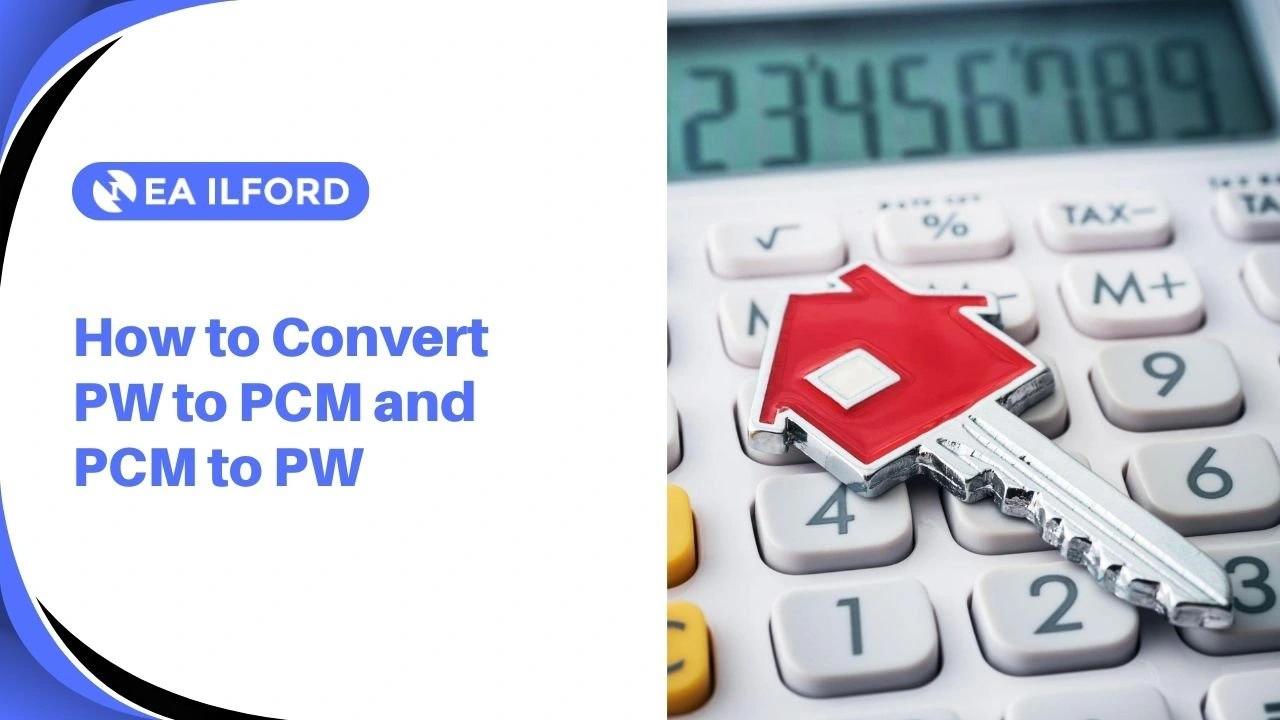
How to Convert PW to PCM and PCM to PW
Weekly to Monthly Formula
To convert per week rent into PCM, use a simple yearly calculation. This keeps the total annual rent accurate and avoids the common four-week mistake.
- Multiply the weekly rent by 52 to get the yearly amount.
- Divide that yearly figure by 12 to find the monthly rent.
- The result shows the correct pcm rent meaning based on the annual cost.
Example
If the rent is £250 PW
£250 × 52 = £13,000 per year
£13,000/12 = £1,083 PCM
How to Convert Weekly Rent to Monthly Rent
To convert the other way, reverse the process: multiply the PCM rent by 12, then divide by 52 to estimate the weekly price. This method is commonly used across UK property listings and helps keep both figures consistent.
(Weekly Rent x 52) / 12 = Monthly Rent
How to Calculate Your Rent Per Day
Breaking rent into a daily amount can help with budgeting or part-month moves.
- Divide the monthly rent by the number of days in that month.
Example: £800 / 30 days ~£26.66 per day. - Or calculate using the yearly figure:
(Monthly rent × 12) / 365.
Example: (£800 × 12) / 365 ~£26.30 per day.
How to Calculate What Rent You Can Afford
A common guideline is to keep rent around 30% of your monthly income. For example, if you earn £1,800 per month, a rent of around £540 PCM may feel manageable. Some renters aim closer to 20% to leave more space for savings or unexpected costs. Always review your bills, travel costs, and daily spending before choosing a monthly figure.

Does Rent Include Utility Bills?
In most UK rentals, PCM rent covers the property only and does not include utilities. Bills may be included when renting a room in a shared house, student accommodation, or some serviced lets. Always check the listing details or tenancy agreement, so you know exactly what is included. Energy efficiency improvements, including insulation support programmes like the Great British Insulation Scheme, may also influence overall monthly running costs.
When Can Your Rent Be Increased?
The tenancy agreement usually explains when and how rent can change. In many cases:
- During a fixed-term tenancy, rent normally increases only with your agreement or at renewal.
- In a periodic tenancy, increases are typically limited and require proper notice.
- Landlords usually provide written notice before any change takes effect.
What Happens When You Move in Mid-Month?
All tenancies are not initiated on the first day of a calendar month. When you partially enter a residence in the middle of the respective month, the initial rent charge is normally made so that the initial rent is only paid on the number of days you are permanently staying at the residence. This is usually referred to as pro-rata rent, and finding the calculation of the same may vary a little based on the terms of tenancy as calculated by the estate agents.
| Method | How It Works | Why Agents Use It |
| Daily rate from PCM | Monthly rent/number of days in that month × days you stay | Simple to explain and easy for tenants to understand |
| Annual daily rate | (PCM × 12) / 365 × number of days | Gives a more consistent average across the year |
| Align to next rent date | Pay a partial amount until the next full PCM payment date | Keeps future payments on one fixed monthly schedule |
- Inquire how the daily rate is computed every time you are paying for a holding or move-in.
- Look into your tenancy agreement to check the specific date of full payment of rent after the initial partial payment.
- Record the pro-rata amount in writing so that it is not mixed up on the day your initial full pcm rent becomes due.
Rent Due Dates and Paying in Advance
The majority of tenancies in the UK, where PCM is used, demand the payment of rent in advance on a specific day, e.g. the 1 st or the 15 th of every month. This implies that the monthly payment will tend to take care of the next rental period instead of the time spent in the property.
Since PCM payments are paid on the calendar, it is possible that your payday might not always be on the day the rent is due. Setting up a clear payment routine early can help avoid missed payments or confusion, especially during the first few months of a new tenancy.
Quick Tips
- Set a standing order one or two days before the rent due date to allow for bank processing time.
- Confirm the exact payment date written in your tenancy agreement, not just the listing.
- Keep a record of your first payment so you know when the next pcm rent cycle begins.
Does PCM Include Utility Bills or Council Tax?
Usually Included
- The base property rent is shown as pcm rent in the listing
- Fixtures or furniture provided as part of a furnished tenancy
- Service charges in some flats, if clearly stated in the advert
- Utility costs in certain room lets, HMOs, or student accommodation, where bills are advertised as included
Usually Not Included
- Gas, electricity, and water bills unless the listing says “bills included”
- Council tax, which is normally the tenant’s responsibility in standard UK rentals
- Internet, TV licence, or streaming subscriptions
- Parking permits or optional add-on services unless mentioned in the tenancy agreement
Quick Guide for Landlords Pricing Rent as PCM
Rent per calendar month will allow for calculating a clear monthly amount, which is consistent with the way the majority of tenants plan their funds. To the landlords, the ease of PCM rent also helps in easier referencing checks and easier listings in comparison with the local market.
- Match local demand
Check similar properties in Ilford and nearby areas to understand realistic pcm rent levels before setting a price. - Think about monthly affordability
Many referencing checks assess income on a monthly basis, so a clear PCM figure helps tenants understand whether the property fits their budget. - Keep payments predictable
A fixed calendar month amount creates consistent cash flow and avoids confusion caused by weekly or 4-weekly pricing. - Present the price clearly in listings
Showing a clean PCM figure with clear notes about bills or furnishings can improve trust and reduce repeated enquiries.
Lesser-known Per Calendar Month Facts Renters Should Know
- February and shorter months
PCM rent stays the same even when a month has fewer days, because payments follow the calendar rather than a weekly cycle. - The rare 53-week year
Some weekly rent systems occasionally create an extra payment year, which is one reason calendar month pricing is clearer for long-term tenancies. - Calendar month notice wording
When a tenancy mentions one calendar month’s notice, it usually means date-to-date notice rather than four weeks, which can affect moving timelines.
Wrapping Up
Per calendar month refers to a fixed monthly rent tied to the actual calendar to ensure the tenants and landlords maintain clear and regular payments. The misstatement can be avoided by knowing the comparison between PCM and weekly pricing and the calculation of move-ins. In case of uncertainty on pcm rent and local listings, you need to consult a reliable estate agent who would guide you on making decisive choices.