Council Tax Rises UK 2026: What Homeowners And Tenants Need To Know
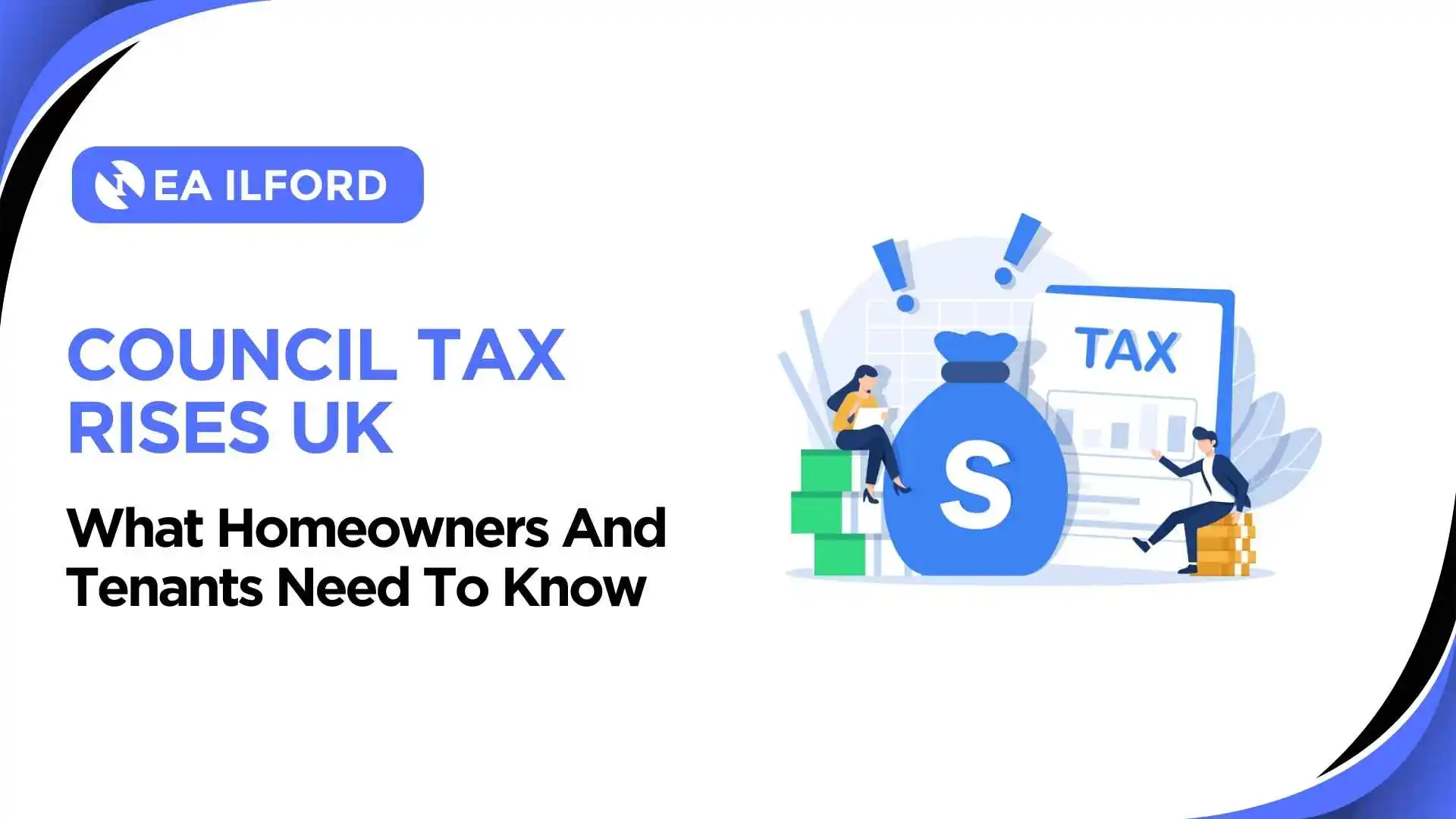
Are council tax rises in London increasing in 2026, and how will they affect your household costs? Yes council tax rises across London in 2026 mean many households face higher monthly bills as councils increase charges to cover funding gaps and rising service costs. Understanding how the 2026 council tax rises apply to your area helps you plan your budget and check if you qualify for discounts or support.
What Is Council Tax Rises?
Council tax rises occur when local authorities increase the amount residents must pay to fund essential services such as waste collection, housing support, schools, and social care. These rises are usually set annually and can vary depending on the council, property value, and tax band, meaning some households may see larger increases than others.
The purpose of council tax rises is to ensure councils have enough funding to maintain public services and meet growing demands. While small increases are common, larger rises can affect household budgets, especially for low-income families, making it important to understand how these changes apply in your area.

Impact of Council Tax Rises on Low-Income Households
Financial Burden on Low Income Households
Council tax rises are placing a heavier financial burden on low income households, including those who previously received full discounts. Many residents who have relied on these reductions may now have to start contributing, which can affect their monthly budgets and essential spending.
Pressure on Local Services
Local services are also under pressure as councils work to balance rising costs with limited funding. While additional government support and funding packages aim to protect key services, some councils are still facing budget shortfalls, forcing difficult decisions on cuts or adjustments to services like youth clubs, housing support, and community programs.
Major Reforms To How Funding Is Allocated?
The government is introducing changes to make council funding fairer and more targeted, ensuring areas with the greatest need receive additional support. These reforms aim to help councils manage rising costs while protecting essential local services.
- Councils will receive increased core spending power, allowing them to invest in essential services such as housing, education, and social care.
- An updated funding system will prioritise the most deprived areas, with the lowest 10% of councils receiving the largest per capita boost.
- The £600 million Recovery Grant will continue, supporting areas most affected by underfunding.
- A Recovery Grant Guarantee will provide above-inflation increases for upper-tier councils to stabilise budgets during the transition.
- Councils will continue to have capped council tax rises at 3%, with an extra 2% permitted specifically for adult social care.

Variation In Changes Across Councils
Council tax rises and funding changes are not the same across all councils. Different boroughs face unique financial pressures, leading to variations in how much residents pay and which services are affected.
| Council/Borough | Expected Council Tax Rise 2026 | Additional Charges | Services Most Affected | Notes |
| Kensington and Chelsea | Up to 5% | Second homes premium proposed | Youth clubs, low-income household support | Residents who previously received full discounts may now contribute |
| Westminster | 3% + 2% adult social care | None additional | Social care, housing support | Funding boost for deprived areas included |
| Newham | 3% | None additional | Community programmes, waste collection | Local council warns of ongoing budget pressures |
| Camden | 3% | Second homes premium applied | Libraries, housing services | Budget shortfall partially offset by government grants |
| Lambeth | 3% | None additional | Temporary housing, social care | Emergency funding requested to cover shortfall |

Final Thought
Council tax rises across London in 2026 are set to impact both residents and local services, with low-income households facing increased financial pressure and councils working to balance funding gaps. Staying informed about your local council’s changes can help you plan your budget and explore available support, and consulting a trusted Estate Agent Ilford can also provide guidance on property-related costs and local council obligations.