How Rent Caps Work & The Effects of the Rent Increase Limit 2026-27

Rising housing costs spark debates about affordable living in the UK. Rent caps mainly apply in social housing, but there are proposals for rent increase caps for private rent that are also being considered. Estate Agents Ilford explains how rent caps work, who they apply to and how they affect the UK rental market and housing sector.

What is Meant By Rent Caps in the UK?
The maximum amount of rent a landlord can increase within a fixed period of time is called a rent cap. It is the limit set by the government of the UK for social housing to limit annual rent increases. The caps are introduced to charge similar rent from the same type of properties regardless of the landlords.
Private landlords are not subject to a rent increase limit in England. However, in Scotland, rent increase caps have already been in practice for private tenancies.
How Rent Caps are Calculated?
Each year in September, the Consumer Price Index (CPI) benchmark is set to limit the annual rent increase in the social housing sector. The rent cap sets the limit of the rent that can be charged from social tenants, which annually depends on the CPI. The formula rent is used to calculate the rent for social housing properties.
The formula rent is calculated based on70% national or local earnings divided by the number of bedrooms and 30% of the relative property value.
The capped rent will continue to increase in 2027-28 by CPI inflation plus 1.5% points each year in September of the previous year.

Private Rented Sector (England) | Is There a Rent Cap in 2026?
As of May 2026, there is no legal percentage cap on private rent increases in England. The Renters’ Rights Act, which will start on 1 May 2026, requires private landlords to follow these regulations.
- The law permits rent increases to occur only one time throughout each 12-month period.
- The landlord needs to give at least two months of advance notice through Form 4A, which serves as Section 13 notification.
- The new regulations prohibit the use of fixed-term rent review clauses in agreements.
- First-tier Tribunal allows tenants to contest rent increases that exceed reasonable limits.
Annual Rent Increase Limit From April 2026 in the Social Housing Sector
According to the Rent Standard 2026, the social rent increase caps which are applicable from 1 April 2026, for the year 2026-27 relative to the number of bedrooms are given in the table:
| Number of Bedrooms | Rent Cap |
| 1 Room and Bedsits | £204.35 |
| 2 Rooms | £216.35 |
| 3 Rooms | £228.36 |
| 4 Rooms | £240.37 |
| 5 Rooms | £252.39 |
| 6 or more Rooms | £264.41 |

How New Rents are Set Under the Rent Cap Requirement from April 2026?
The Rent Standard 2026 explains how rent can be increased for different types of social housing tenants and how the rent cap limits it.
New Social Tenants
When rents are settled for new social housing tenants, the weekly rent is set according to the formula rent, including an upward adjustment, but it must be under the rent cap. The upward tolerance is adjusted:
- For supported housing, the rent can be adjusted 10% above the formula rent.
- For not supported housing, 5% above the formula rent can be tolerated.
Landlords must keep in mind that even with this tolerance, the rent must not exceed the rent cap.
No Rent Reset for Existing Tenants
For the tenants already existing in the social rent housing, the rent must not be reviewed or reset to a higher starting level. The weekly rent of the existing tenants may only be increased by up to CPI + 1% in any year from April 2026.
In contrast, if the rent increased by the formula of CPI + 1% would push the rent above the rent flexibility limit, then the landlord is not allowed to add 1% in the rent.
Rent Increase for 2026-27
From 1st April 2026 to 31 March 2027, the weekly rent for the existing tenants can only be increased by CPI + 1% unless.
- If the CPI + 1% increase exceeds the flexibility limit, the weekly rent will increase only by the CPI.
Rent Increase 2027-28
From 1st April 2027, the rent of the existing social housing tenant will increase only by inflation(CPI) + 1%.
- If the rent is below the formula rent set by CPI + 1% for the year, the weekly rent increases only by the same formula plus £1 (Increase by CPI + 1% + £1).
- The slight increases are allowed to reach the formula rent limit.
Rent Increase from 2028 Onwards
From the year 2028 onwards, the weekly rent for existing social tenants will be set according to the CPI+1%.
- If the weekly rent increase exceeds the flexibility limit, the rent will only increase by CPI.
- If the increased rent is below the formula rent the it will be calculated as CPI + 1% + £2
Absolute Rent Cap Rule
According to the Rent Standard 2026, the rent of a social housing sector must not exceed the rent cap. The social housing landlords are not allowed to change their social rental properties into affordable rent, market rent or any other form of low-cost rental types.
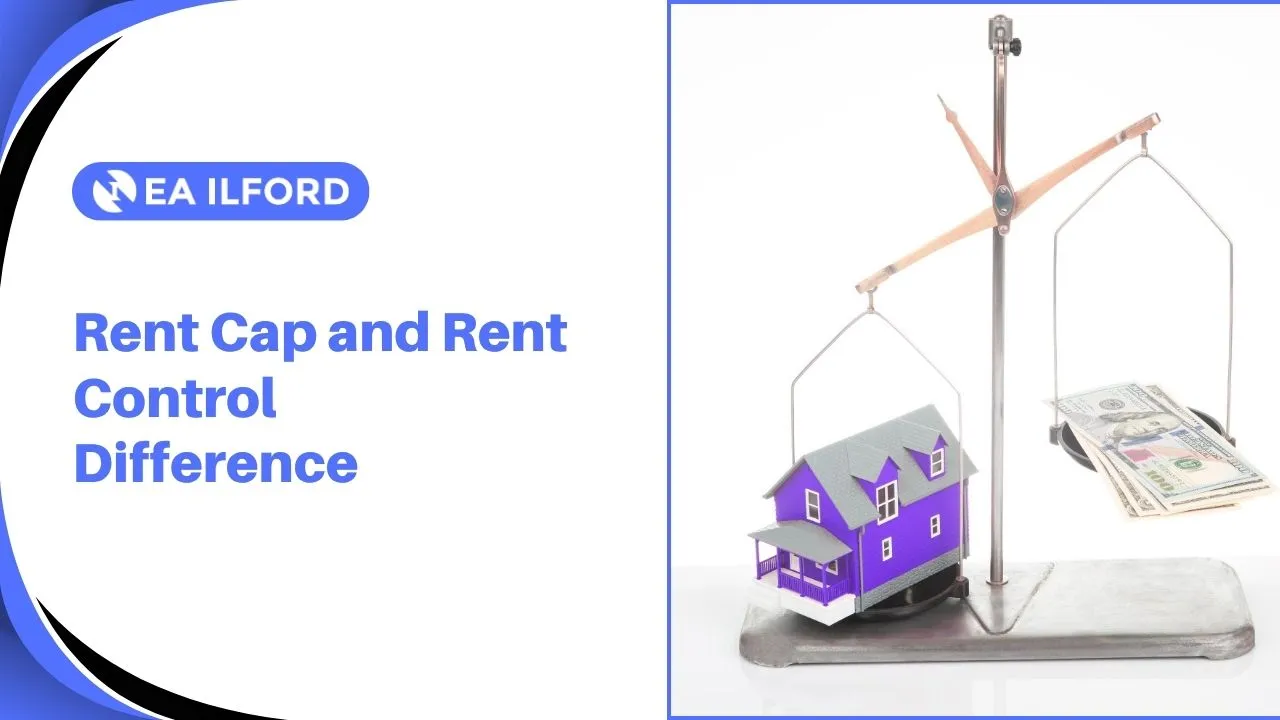
Rent Cap and Rent Control Difference
Rent caps and rent control are often used interchangeably, but there is a slight difference between these terms.
- Rent control is a government regulation which sets a maximum limit on how much landlords can increase the rent on residential properties make housing affordable. It applies to long-term rent restrictions. It allows landlords to freeze rates and lower the rent.
- On the other hand rent cap is a limit or restricted rate of increase above which a landlord cannot exceed the rent of their property. It is usually a temporary or annual limit that can be changed each year according to inflation. It allows the landlord to set the increase in rent within a limit.

Ground Rent Caps for Leasehold Estates in the UK
Ground rent is the amount that leaseholders pay annually to freeholders or the person or company owning the property. According to the new proposal,
- The ground rent will be capped at £250 from late 2028 for existing leaseholders.
- This ground rent will be reduced to a peppercorn after 40 years, which is a significantly low amount or zero amount.
- This cap will reduce financial pressures for leaseholders who have been bound due to the ground rent term.
- Most importantly, the government proposes to abolish forfeiture, which means leaseholders will not lose their homes over a small debt.

What Are the Impacts of Rent Caps on Landlords And Tenants?
The rent cap set by the UK government will affect both tenants and landlords in certain ways. There will be more drawbacks to setting the rent increase limit than the benefits.
For Landlords
- In the business sector, being a landlord is not a welfare. When rent controls are too tight and strict, they cannot adjust to the tax changes, inflation and interest rates.
- As a result of non-adjustment to the changing fiscal rules landlord pull themselves out of the renting business.
- This directly reduces the supply and increases housing demand, which ultimately results in rental chaos.
- Due to limited rental income, landlords can’t afford any improvements required in the property.
- Landlords will think twice before investing in the rental sector, which may lead to long-term housing supply crises.
For Tenants
- Rent caps are introduced to protect tenants financially.
- The reduced housing supply creates more competition for fewer properties available among tenants.
- Tenants will have fewer choices and may face bidding wars.
- When vulnerable tenants are priced out, homelessness will increase.

Rent Cap Scotland Experiment and UK Rental Market
In 2022, the Scottish government introduced a capped rent increase of 0% and enforced restrictions on evictions. The aim was to reduce the financial burden on tenants with rising housing costs. The consequences of this rent cap affected not only landlords but also tenants, who faced a sudden decline in rental properties.
The landlords, instead of following the capped rent increase, decided to sell out their properties, but also left the rental market completely. That was the time when Scotland rental market experienced a shortfall in housing supply. These outcomes from the rent cap Scotland experiment did not help anyone long-term. Only punishing the landlords and holding them accountable for rising housing prices is not the solution.
Conclusion
Rent Caps are supposed to help tenants to protect them financially and make housing affordable for them. But the history of capped rent increase such as in Scotland, did not bring any fruitful results. Rather, it resulted in rising demand and reduced supply in the rental market. The government intended to control housing prices, but in reality, the consequences do not always fulfil the intended outcomes.
The government must consider that the rent skyrocket between tenancies leads not only to landlords suffering but also directly affects tenants due to fierce competition. As property investors, landlords or housing associations need to stay informed about the ongoing legislative changes, support platforms in favour of their interests and focus on high-demand areas with significant rental yields. Educating and making yourself aware of the housing market helps the rental business grow strategically.