What to Do When Your Tenants Fall into Rent Arrears: A Landlord Guide
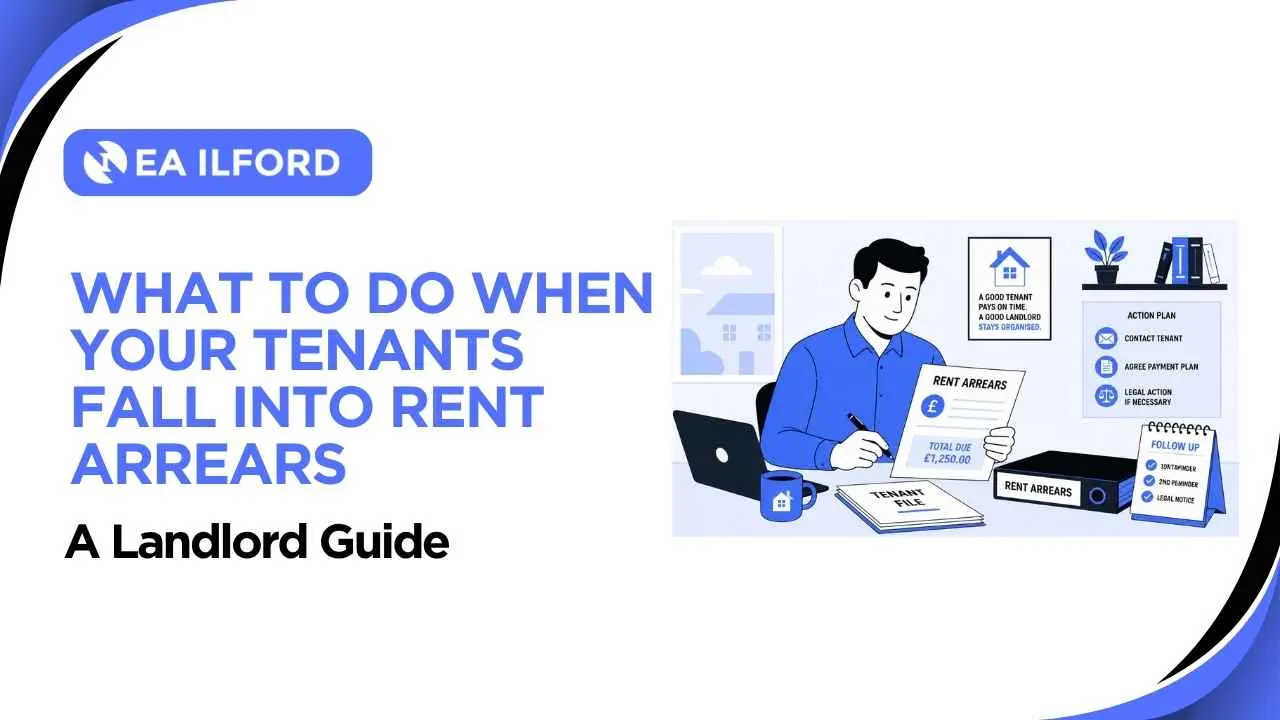
Nearly 30% (roughly 846,000 to 850,000) of UK landlords experienced rent arrears in the 12 months to Q1 2026 (LegalForLandlords ). If you are one of them right now, you’re dealing with one most common problems landlords eventually face in private renting.
What will help is knowing what exactly you must do, in what order, and how the rules have changed since the Renters Rights Act. As Section 21 is gone, the arrears thresholds for eviction are now different and higher than they used to be.
Let’s break down how rent arrears are actually dealt with and start with what they are

What is Rent Arrears?
When a tenant fails to pay some or all of the rent they owe by the due date set in the tenancy agreement, it becomes rent arrears. This unpaid rent is considered a ‘debt’ which may lead to eviction. A missed payment and rent arrears aren’t automatically the same thing. A missed payment can be a single instance of rent not landing, but it becomes rent arrears if that shortfall stays unpaid.
Under the Renters Rights Act 2025, the legal grounds available to landlords depend on how much and how consistent the pattern is. A tenant who is a few days late is very different from one three months behind, and the law treats them differently.
Note: Every case of rent arrears starts with a missed or partial rent payment, but not every missed rent payment turns into arrears.

What Should Landlords Do If Tenants Fall Behind on Rent?
If a tenant fails to pay the rent shortfall, the earlier the landlords act, the more options they have to act. The order of managing arrears matters the most:
Contact Your Tenant Immediately
If a payment doesn’t land on time, pick up your phone and talk to them directly. Most of the time, it’s genuinely an oversight, a payday issue, or other ordinary reasons. If you don’t get any response in a day or two, send them a follow-up in writing by email or a letter. Every call, text, letter, and payment (or missed payment) should be logged with dates for a record.
And however frustrated you feel, don’t lose your cool. Courts take note of how a landlord conducts themselves, even when the tenant is clearly in the wrong.
Understand Why the Rent Was Missed
Not all rent arrears are the same. Some are genuine, such as a tenant who could be struggling due to job loss, a delayed Universal Credit, or a medical emergency, etc. All need a different response because the reason changes. What you would do next entirely depends on the situation and the answer of the tenants.
Talk to the Guarantor
If there’s a guarantor on the tenancy agreement, bring them into the discussion. Most tenancy agreements or Deeds of Guarantee have clauses that allow landlords to request payment directly from the guarantor if the tenant doesn’t pay.
Agree on a Repayment Plan
If the tenant is willing, but the money is tight, and they want to sort things out, landlords can consider two repayment plans:
- For the short term, agree on what they can actually afford to pay back, and by when.
- If the problem is long-term, you can guide the tenant toward the housing element of Universal Credit if they’re not already claiming it.
Monitor Future Payments
A repayment plan only works if you’re following it up. Set a reminder to review the progress after the first or second payment. If you identify that tenants are breaking the plan, you can take the next step and move faster with the legal procedures.
Contact Your Landlord Insurance Provider
If nothing so far has resolved the arrears, check your landlord’s insurance policy. Many insurance policies include cover for unpaid rents, called rent guarantee or rent protection insurance.
It’s worth doing early since some policies have notification windows or require you to act within a set period after rent first goes unpaid.
Consider Legal Action as a Last Resort
If you’ve tried communication, involved a guarantor, and offered a repayment plan, and nothing has worked, this is the time when landlords must opt for formal action.
Under the Renters’ Rights Act 2025, that means serving a Section 8 notice on the relevant rent arrears ground.
| How Much Rent Arrears is a Legal Ground for Eviction? For a mandatory Section 8 Eviction (Ground 8), a tenant needs to owe at least three months’rent or 13 weeks’ if paid weekly. Lower amounts of arrears can still support a discretionary ground, but the court will decide whether eviction is reasonable or not. |

Rent Arrears and Eviction Under the Renters’ Rights Act 2025
The rules changed significantly when the Renters’ Rights Act 2025 came into force on 1 May 2026. You can’t end a tenancy just by giving notice anymore; you need a specific legal ground under Section 8.
The Section 8 Grounds for Rent Arrears
| Ground | Type | Arrears Threshold | Notice Period |
| Ground 8 | Mandatory | At least 3 months’ rent arrears (13 weeks’ if paid weekly or fortnightly), owed both when notice is served and at the hearing. | 4 weeks |
| Ground 8A | Mandatory | Tenant has been at least 2 months in arrears, at least once, on three separate occasions within the past 3 years. | 4 weeks |
| Ground 10 | Discretionary | Some rent arrears exist at notice and at the hearing, regardless of the amount. | 4 weeks |
| Ground 11 | Discretionary | A pattern of persistent late payment, even if arrears aren’t severe at the hearing. | 4 weeks |
Eviction Process for Rent Arrears
If communication with the tenant fails, formal eviction is the only option left for the landlord to evict.
- Check the arrears against the Section 8 ground and make sure the arrears figure is accurate.
- Serve a valid Section 8 notice (Form 3A). State the grounds, the arrear amount, and the notice period, which is 4 weeks for the arrears grounds. Keep proof of each step in writing.
- If the tenant pays off enough arrears to fall below three months rent or 13 weeks rent (threshold) before the hearing, the mandatory ground no longer applies.
- If the tenant hasn’t left the property after the notice period, apply for a possession order from the court through Form N5 (claim for possession). For Ground 8, the court must grant the possession order, and for discretionary grounds, the court decides based on the circumstances.
- If the tenant still doesn’t leave after a possession order, apply for a warrant of possession and have bailiffs carry out the eviction.
- Keep in mind that possession orders can get your unpaid payment back, there is a separate process for it.
| Do You Know? Under the Renters Rights Act, the old paper-based “accelerated possession” route has been abolished. Every Section 8 claim in England now requires a full court hearing where a judge verifies the evidence and decides. |

When Should You Seek Professional Property Management in Ilford?
If you’re managing more than one property or live outside Ilford or simply don’t have time to chase rent payments, Estate Agents Ilford fills this gap professionally.
When you hand over your property to our Property Management Service, you can get:
- A local Ilford team that knows the tenant, the property, and the market.
- 100% rent collected on time without the headache of unpaid and late payments.
- Thorough tenant screening before the tenancy starts so that you can avoid future risks of rent arrears.
- Late or unpaid rents are followed up on the same week they arise, not weeks later.
Get a Free Property Management Quote

How Can Landlords Recover Their Unpaid Payments
Getting a possession order doesn’t recover the unpaid payments. It’s a separate process as follows. There can be two scenarios:
While the tenancy is still active
- Ask the guarantor to cover the shortfall if the tenancy contract actually lists one.
- Check your landlord insurance policy if it covers rent guarantee or unpaid rent, then make a claim there.
- It can help us to sort out some repayment plans so the tenants pay back what they owe.
- Ask the tenants to apply for Universal Credit, or a housing discretionary payment.
- Section 8 possession claim that you should add a request for a money judgment, so the court can order repayment.
Once the tenancy has ended
- Deduct the arrears from the tenant’s deposit, but only do it via the correct tenancy deposit scheme.
- You should send a Letter Before Action laying out the debt, the interest, and the evidence.
- Then file a County Court money claim using Money Claims Online if it’s up to £10,000 otherwise, use Form N1.
- After that, if the tenant does not respond, ask for a default judgment.
- Enforce the CCJ through an attachment of earnings order, or even through a debt collection agency, if the tenant has moved.
- Act within 6 years of the rent due date under the Limitation Act 1980.

Why Do Tenants Fall into Rent Arrears?
Sudden job loss or reduced working hours cuts a tenant’s income without warning. When Universal Credit or Housing Benefit payments get delayed, tenants can end up short right when rent is due. Those costs include medical bills or an emergency repair. Then the cost of living keeps rising, especially energy bills and council tax, so even people who were paying on time can get squeezed.
Also, weak affordability checks at the referencing stage can end up placing someone in a home. And there is the communication side because some tenants avoid contact out of embarrassment. Understanding why the arrears happened matters so that a landlord can choose a sensible next step.

How to Prevent Rent Arrears Before They Happen?
Make sure you do careful tenant referencing before you sign the tenancy agreement. Check the tenant’s income levels, credit record, and overall affordability. If their earnings are slightly above the minimum rent requirement, ask for a guarantor for the next step. To protect your rental income, take out Rent Guarantee Insurance and make sure the deposit is protected in a government-approved scheme. After that, set up automatic rent reminders and review the rent statements to prevent rent arrears from worsening.
Chasing rent every month is time-consuming. With Estate Agents Ilford’s Guaranteed Rent scheme, they pay you on time, every single month, whether the tenant pays or not.
Get Our Free Guaranteed Rent Quote
Final Thoughts
Rent arrears can become a serious legal problem. If landlords keep delaying taking action. The best way to deal with it is to talk to the tenant, keep proper, precise records, and follow the correct legal way under the Renters’ Rights Act 2025. If the arrears keep high, though, landlords should get professional help so they protect both their rental income and their legal standing.