What is Stamp Duty in the UK and Updated SDLT Calculations Instantly
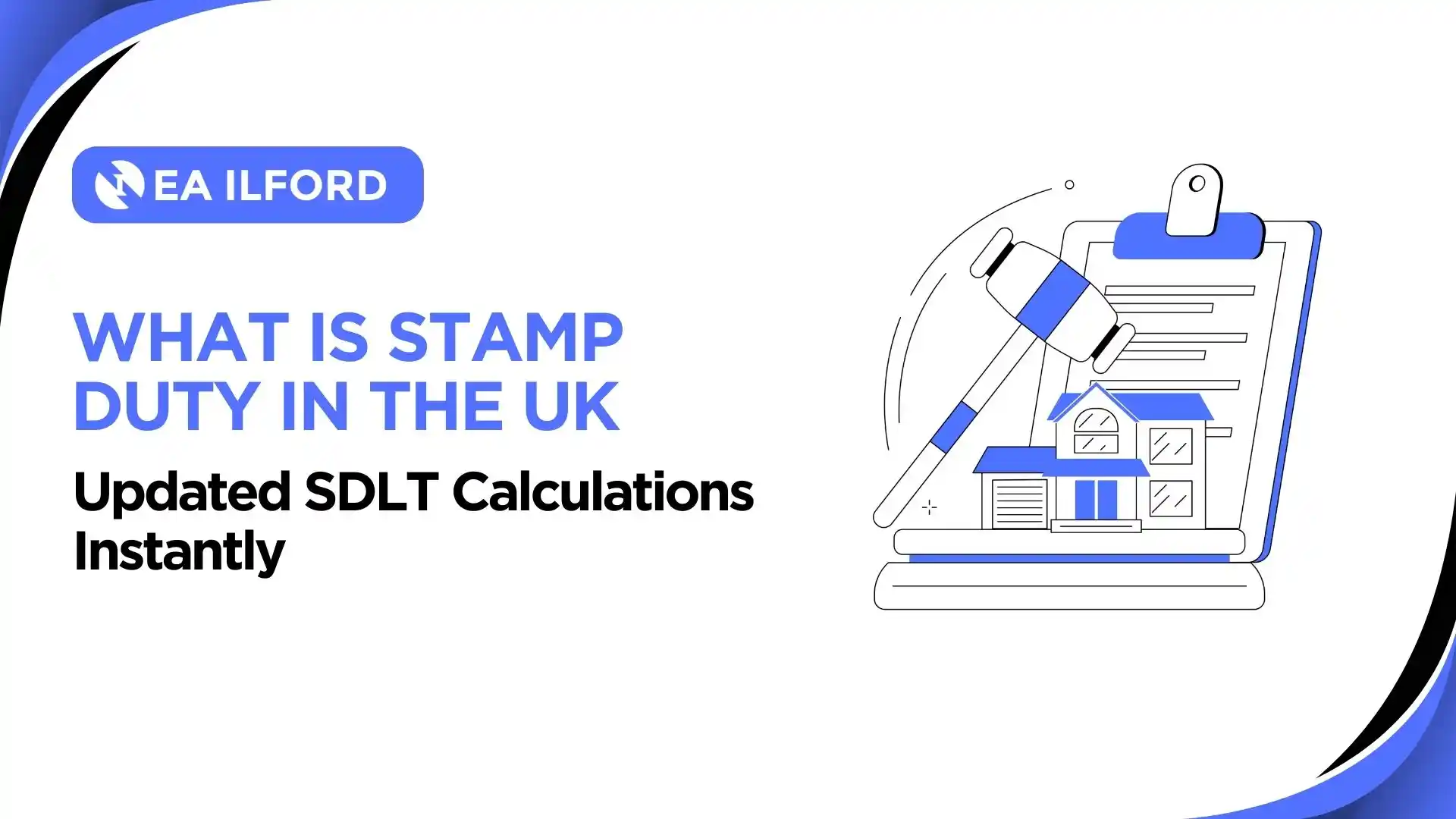
What stamp duty rate applies to you? Use our free Stamp Duty Calculator for an instant SDLT result based on the current HMRC thresholds. As trusted professionals, Estate Agents Ilford regularly help buyers in East London understand their stamp duty obligations before they make a purchase.
UK Stamp Duty Calculator
For residential property in England and Northern Ireland. Enter your purchase details to estimate Stamp Duty Land Tax (SDLT).
Simply enter your property price and get an accurate Stamp Duty Land Tax (SDLT) calculation for England and Northern Ireland.
Stamp Duty Calculator
Buying a property in England or Northern Ireland? Stamp duty can add thousands to your buying budget. Use our stamp duty calculator to quickly estimate how much you’ll need to pay on your purchase.
| Our SDLT Calculator covers: First-Time Buyers, Moving to a New Home/Second Homes, Additional Properties, and even Non-UK Residents.Select your buyer type, get an instant and accurate estimate. |

What is Stamp Duty?
Stamp Duty is a tax you pay if you buy a residential property in the UK. It is called Stamp Duty Land Tax in England and Northern Ireland, “Land Transaction Tax” in Wales, and “Land and Buildings Transaction Tax” in Scotland. Each nation serves the same purpose and has similar Stamp Duty processes.

How Stamp Duty Works in the UK
Stamp Duty is paid on increasing portions of the property price. The amount you pay depends on the time you buy the property, the purchase price, and eligibility for relief or any exemption. The stamp duty calculator provides an estimated value of the SDLT to make your property journey easy.
| Who Pays Stamp Duty?The buyer always pays stamp duty. It includes residential property buyers, second home buyers, non-UK residents, or commercial property buyers if the property is under specific thresholds. |

Stamp Duty Temporary Relief
The initial zero-rate stamp duty threshold was increased from £125,000 to £250,000 in September 2022. In the Autumn Budget 2024, the surcharge for additional property was increased from 3% to 5%. Since 1st April 2025,takta the stamp duty thresholds have returned to September 2022 levels.
| 🏠 Buyer Type | Before Sept 2022 | Sept 2022 – Mar 2025 (Relief Period) | From Apr 2025 |
| Standard Buyers | £125,000 | £250,000 ⬆️ | £125,000 ⬇️ |
| Additional Properties | £125,000 | £250,000 ⬆️ | £125,000 ⬇️ |
| First-Time Buyers (0% Threshold) | £300,000 | £425,000 ⬆️ | £300,000 ⬇️ |
| First-Time Buyers (Max Relief Limit) | £500,000 | £625,000 ⬆️ | £500,000 ⬇️ |
When To Pay Stamp Duty?
Stamp duty is paid within 14 days after the property purchase. This period has been reduced from 30 days to 14 days in March 2019. The tightened time period does not significantly affect the homeowners because most SDLT returns are submitted by a solicitor or conveyancer on behalf of their client.

Latest Stamp Duty Rates
After buying a property, you will pay Stamp Duty Land Tax at certain rates if it is your only residential property. And if you own a second property, you may pay 5% on top of the following rates applicable since April 2025:
| Property Value | Normal SDLT rate | Additional Property rate |
| Up to £125,000 | 0% | 5% |
| £125,001 to £250,000 | 2% | 7% |
| £250,001 to £925,000 | 5% | 10% |
| £925,001 to £1.5 million | 10% | 15% |
| Above £1.5 million | 12% | 17% |
| Important Point: The additional property bought for less than £40k will have 0% tax. The standard rate of 5% will apply from purchase from £40,000 to £125,000. | ||
For example, if you purchased a property for £400,000 after April 2025, your SDLT will be calculated as:
- 0%on the first £125,000 = £0
- 2% on the next £125,000 = £2,500
- 5% on the final £150,000 = £7,500
- Total SDLT = £10,000
Use our Stamp Duty Calculator above to calculate your stamp duty rates without any hassle.

Stamp Duty for First-Time Buyers
You can claim a relief if you are a first-time buyer. You will pay no SDLT up to £300,000 and 5% SDLT on the portion above £300,000 to £500,000. If the price is above £500,000, buyers aren’t eligible for relief.
For Example:
If you buy a house for £550,000 as a first-time buyer, the relief no longer applies, and standard rates will be calculated as follows:
0% on the first £300,000 = £0
5% on the next £250,000 = £12,500
Total SDLT = £12,500
Stamp Duty for Second Time Buyers and Buy-to-Let Homes
If you already own a property and buy a new one, you will pay 5% on top of the standard SDLT rates. Our second home or buy-to-let Stamp Duty Calculator also covers additional properties like Stamp Duty on Second homes or Buy-to-Let homes.
| SDLT Exemptions for Second-Time Buyers:You are not liable to pay an extra 5% SDLt if:The new property will replace your main residenceThe previous residence was sold within 36 months of the new purchase. You have to pay higher rates if you have not sold your main residence on the day you complete your new purchase because you own more than one property. |
Check here if you are eligible for a refund of the higher rates of SDLT.

Stamp Duty for Non-UK Residents
If you are living outside the UK for more than 6 months before buying the property, you are entitled to a non-UK resident status for stamp duty purposes. It means you will pay 2% on top of your standard SDLT rates. Use our Stamp Duty Calculator to see how much stamp duty you will pay as a Non-UK resident.
Some buyers are eligible for a refund. You can check if you can claim a refund.
Exemptions for Stamp Duty
Buyers don’t have to pay SDLT or file a return if:
- No money changes hands in a property transfer.
- You inherit a property through a will
- Property transfer occurs as a result of divorce or civil partnership dissolution
- You buy a property for less than £40,000.
- You buy a new lease of 7 years or more with a premium under £40,000 and an annual £1000.
- You buy a leasehold property for less than 7 years, where the amount is paid below the SDLT threshold.
- You use Islamic finance Arrangements such as Sharia Law, where the financial provider pays SDLT on your behalf.
Stamp Duty Made Simple: Final Words
In England and Northern Ireland, property purchase comes with an additional cost of Stamp Duty Land Tax (SDLT). Our free stamp duty calculator is updated with the latest April 2025 HMRC rates. It gives you an idea to plan your budget and stamp duty liability when buying a residential property. You simply need to enter your purchase price, select your buyer type, and get your estimate instantly.
If you are planning to sell your property or looking for property management services, our team can help you through the process.