Buy to Let Mortgage Rates and Deals, Or How It Works

Are you thinking about buying a home to rent out and want to find the best buy-to-let mortgage rates in the UK? Learning how to compare buy-to-let mortgages can help you get a deal that fits your money plans. Since mortgage rates go up and down, it’s smart to look at a few lenders before you decide.
Estate Agent Ilford can guide you toward houses that meet lender rules and bring in good rent each month. When you compare its choices, always look at the rates, how much deposit you need, and how long you’ll be paying it back to pick what’s right for you.
What is a Buy To Let Mortgage?
A Buy to Let mortgage provides financial assistance to a property investor who intends to purchase homes for the purpose of renting them to tenants. The system enables you to earn rental income while you gradually acquire full property ownership.
This type of mortgage differs from a standard one in that you need to pay a larger deposit, and the interest rates are slightly higher. The bank or lender will check how much rent the property can earn before they decide to approve your loan.
Many new investors choose buy-to-let mortgages to start earning extra income from property. It’s a smart choice if you want to keep the house for a long time and use it as an investment.

How do Buy To Let mortgages work?
A buy-to-let mortgage is used when you buy a property to rent out, so it works differently from a normal home loan. The lender assesses the property’s value through its potential rental income. The lender studies your financial situation which consists of your job income and your credit history. This helps them decide how much you can borrow. Below are the main things to know about how it works:
- You need to give a big deposit, which is about 25% of the house price.
- The loan you get depends on how much the rent the property can bring in.
- Interest rates are a bit higher than normal home loans.
- You can pick between interest-only or repayment plans.
- The rent you earn should be enough to pay the mortgage and other costs.

Things to consider in a Buy To Let mortgage
When you plan to get a Buy to Let mortgage, there are a few things you should think about before applying. Lenders look at your income, eligibility, and how much you can borrow to make sure you can handle the loan comfortably.
Eligibility for Buy To Let mortgage
You need to meet certain rules set by lenders to qualify for a buy-to-let mortgage. They’ll check your age, credit history, and, if you already own a home, before offering you a deal.
Your income
Lenders require proof of your income that shows you can handle mortgage payments during periods when the property remains vacant. They will use your employment history together with your additional income streams to evaluate your financial capacity.
Borrowing limits
The rent that a property will generate each month determines your borrowing capacity. The majority of lenders require your rental income to exceed 125% of your mortgage expenses.

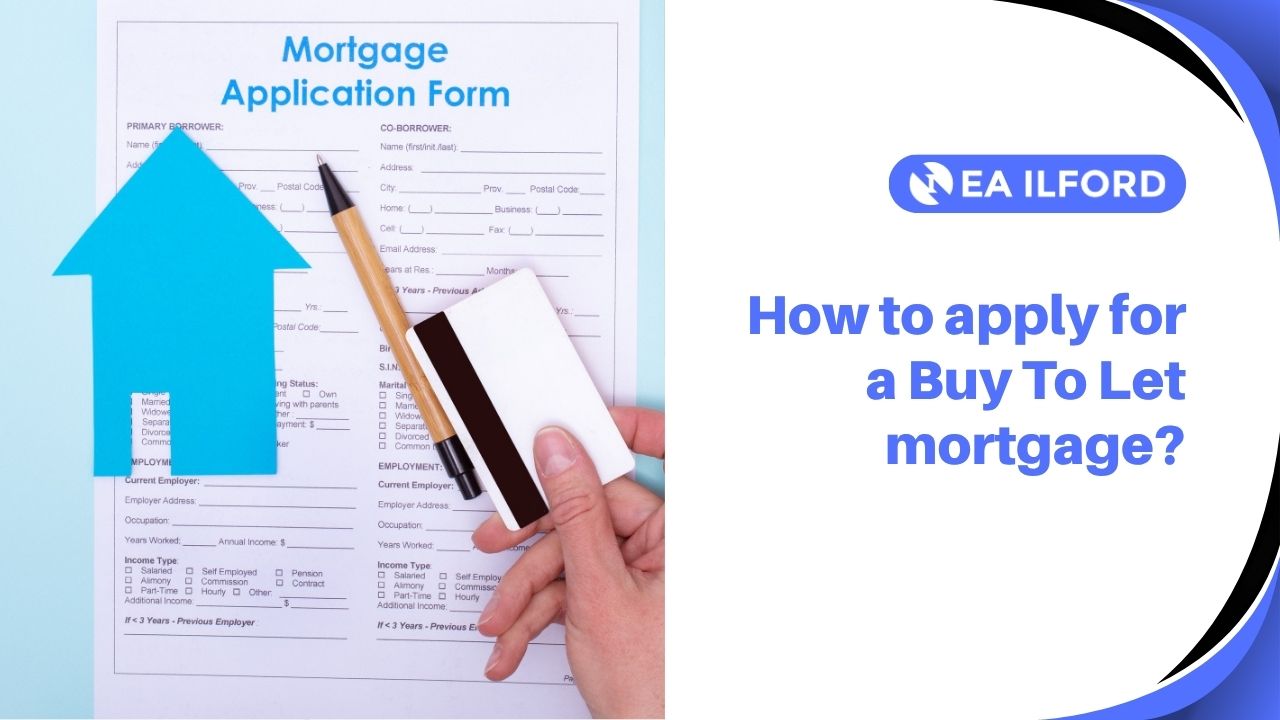
How to apply for a Buy To Let mortgage?
The initial major step of your property investment process requires you to obtain a Buy to Let mortgage. The mortgage type enables landlords and investors to receive rental income from their properties. Let us see some important points related to it.
- Check your eligibility: You must satisfy all lender eligibility requirements that is include minimum income requirements, age limits, and a good credit score. Most lenders require you to possess an existing home before they will approve your loan application.
- Research the market: You need to compare various Buy to Let mortgage options that banks and lenders offer. Your examination of interest rates, fees and repayment terms will help you choose between options, which we will select based on our budget and goals.
- Calculate potential rental income: Lenders usually want the rental income to cover at least 125% to 145% of the mortgage repayments. The next step requires you to estimate the actual rental income your property can generate.
- Prepare your deposit: Most Buy to Let mortgages require a minimum deposit of 25%, which lenders use to determine your property value. A larger deposit amount leads to better mortgage deals.
- Gather financial documents: Get your payslips, bank statements, proof of deposit, and details of any other properties or loans ready for lender’s verification or review.
- Get a Decision in Principle: You have to get a lender of your choice to provide an approval before you place an offer on a property. The process helps you determine your borrowing capacity.
- Submit your full application: Once you’ve found the right property, complete the lender’s full mortgage application form and provide all the required documents.
- Property valuation and approval: The owner will secure an evaluation to determine the worth of the property for rental income.
- Receive your mortgage offer: The formal mortgage offer will be sent to you after your application gets approved. The document provides complete details about the loan amount, interest rate and repayment terms.
- Complete the purchase: With your solicitor’s help, finalise the legal paperwork and transfer the funds to complete your Buy to Let property purchase.
What are the Landlord’s obligations in Buy o-Let?
As a landlord in a buy-to-let property, you have some important responsibilities for tenants live safely and comfortably. These obligations also help you to protect your investment and maintain a good relationship with your tenants.
Landlord’s Obligations:
- Property Maintenance: The property is kept in good repair, and all repairs, heating, plumbing, and electrical systems work properly.
- Safety Checks: It is your responsibility to ensure that gas, electrical, and fire safety standards are properly followed. You must carry out regular inspections and provide safety certificates when required.
- Tenancy Agreement: You should provide your tenants with a clear, written agreement that explains rights, rent terms, and responsibilities.

Why Should Landlords Consider a Buy-To-Let Mortgage?
A buy-to-let mortgage can be a smart way for landlords to grow their property investment without using all their own money.
Grow Your Investment with Borrowed Money
One of the biggest benefits is leverage. This means you can use the bank’s money to buy property, but still keep the profit when its value increases. So, if property prices rise, you earn from both your own investment and the borrowed amount (after costs and taxes).
Invest in More Properties with the Same Budget
Instead of buying one property with all your cash, you can spread your money across multiple properties using a mortgage. For example, with a deposit, you could buy two, three, or even four properties, potentially increasing your overall returns.
Higher Potential Returns Over Time
If property values go up, having multiple properties can significantly boost your return on investment compared to buying just one property outright.
Spread Your Risk
Owning more than one property can reduce risk. If one property is empty or has a bad tenant, the rental income from others can help cover the loss.
Mortgages come with costs like interest, fees, and monthly payments, which can affect your rental income. Also, lenders usually require the rental income to be around 125% to 145% of the mortgage cost to approve the loan.

Buy-to-Let Mortgage Lending Criteria
Let us check the criteria for buy to let mortage:
- Buy-to-let mortgages have specific rules and requirements for every landlord.
- You must be 18 years or older and live or work in the UK to be eligible.
- You have a legal right to live in the UK, which lenders verify before approving your application.
- Most lenders require a minimum deposit of 25% of the property’s value (75% loan-to-value ratio).
- Your annual income must be at least £25,000 so that the lender knows you can make your mortgage payments.
- A good credit history is necessary to prove you can manage repayments responsibly.
- The rental income from the property must provide at least 125% to 145% coverage of your mortgage payment.
- The property value should be at least £50,000 and meet the minimum EPC rating for energy efficiency.
Our Latest Buy To Let Rates
Our current buy-to-let mortgage rates summary displays various mortgage details, including interest rates, fees, APRC and loan-to-value ratios. The comparison allows you to quickly identify which option matches your investment requirements and financial capacity.
The table enables you to evaluate multiple products and select the mortgage that best matches your property objectives and financial condition.
| Product | Product Fee | APRC | Follow-on Rate | LTV | Loan Range |
| 4.70% Buy to Let 5 Year Fixed (Purchase Only) | £1,295 | 7.00% | 8.24% variable | 75% | £35,000 to £1,000,000 |
| 4.70% Buy to Let 5 Year Fixed | £2,495 | 7.00% | 8.24% variable | 60% | £1,000,000 to £2,000,000 |
| 4.72% Buy to Let 5 Year Fixed (Remortgage Only) | £1,795 | 7.00% | 8.24% variable | 75% | £35,000 to £1,000,000 |
| 4.77% Buy to Let 2 Year Fixed (Portfolio Only) | £2,495 | 8.00% | 8.24% variable | 75% | £35,000 to £1,000,000 |
| 4.77% Buy to Let 2 Year Fixed (Remortgage Only) | £1,795 | 7.90% | 8.24% variable | 75% | £35,000 to £1,000,000 |
| 4.83% Buy to Let 2 Year Fixed (Remortgage Only) | £0 | 7.80% | 8.24% variable | 60% | £35,000 to £1,000,000 |
| 4.88% Buy to Let 5 Year Fixed (Remortgage Only) | £0 | 7.00% | 8.24% variable | 60% | £35,000 to £1,000,000 |
| 4.90% Buy to Let 2 Year Fixed | £2,495 | 7.90% | 8.24% variable | 60% | £1,000,000 to £2,000,000 |
| 5.05% Buy to Let 5 Year Fixed (Remortgage Only) | £0 | 7.10% | 8.24% variable | 75% | £35,000 to £1,000,000 |
| 5.13% Buy to Let 2 Year Fixed (Purchase Only) | £1,295 | 8.00% | 8.24% variable | 75% | £35,000 to £1,000,000 |

Features and benefits of buy-to-let mortgages
A buy-to-let mortgage offers useful features that help you earn a regular income from a rental property. It is designed for landlords who want to invest in property and grow their finances over time. Below are some key benefits explained in simple terms.
- Steady Rental Income: Renting out your property gives you a steady monthly income. This can help cover the mortgage and other running costs.
- Capital Growth: Typically, properties appreciate over time, and you will be able to realise a profit when you sell your investment.
- Interest Only: A lot of buy-to-let mortgages allow you to pay interest only each month instead of paying both the principal and interest. This keeps your payments low and gives you cash available for other expenses.
- Flexible Terms: Most lenders offer you a variety of payment options, allowing you to choose which works best for you and your circumstances.
- Tax Benefits: You might be able to claim some costs like repairs, letting fees, or part of the mortgage interest to lower your taxes.
- Portfolio Growth: Once you’ve built some equity in one property, you can use it to invest in another, helping you expand your portfolio step by step.
- Retirement Support: A buy-to-let property can bring in a steady income even after retirement, adding more security to your future.

What Percentage Of Landlords Have A Mortgage?
Here is a clear and informative table showing the percentage of landlords who have a mortgage. It also includes useful details to help readers understand the full situation. The information gives a better picture of the UK buy-to-let market.
| Category | Percentage | Description |
| Landlords with a buy-to-let mortgage | 58% | The majority of landlords in the UK have a current buy-to-let mortgage on their rental properties. |
| Landlords Owning Property Outright | 42% | These landlords have no mortgage and earn full rental income without monthly repayments. |
| Average Mortgage Balance | £123,000 | The average remaining balance owed by those mortgage-financed properties. |
| Average Rental Yield (With Mortgage) | 5.20% | The average profit received after all operating expenses and mortgage costs are covered by landlords. |
| Buy-to-Let Market Share | Around 20% of all UK Homes | Buy-to-let properties make up about one-fifth of the entire housing market, showing strong investment demand. |

Conclusion
A Buy to Let mortgage can help you build a steady income and long-term property wealth with careful planning. You should spend time evaluating different lenders, together with their interest rates and loan terms, before you make any investment decisions. Choosing wisely reduces risk and helps you secure better financial stability over the years. A trusted Estate Agent Ilford can guide you toward properties matching your budget and lender requirements.