Right To Manage Agreement Process For Building Or Block Management
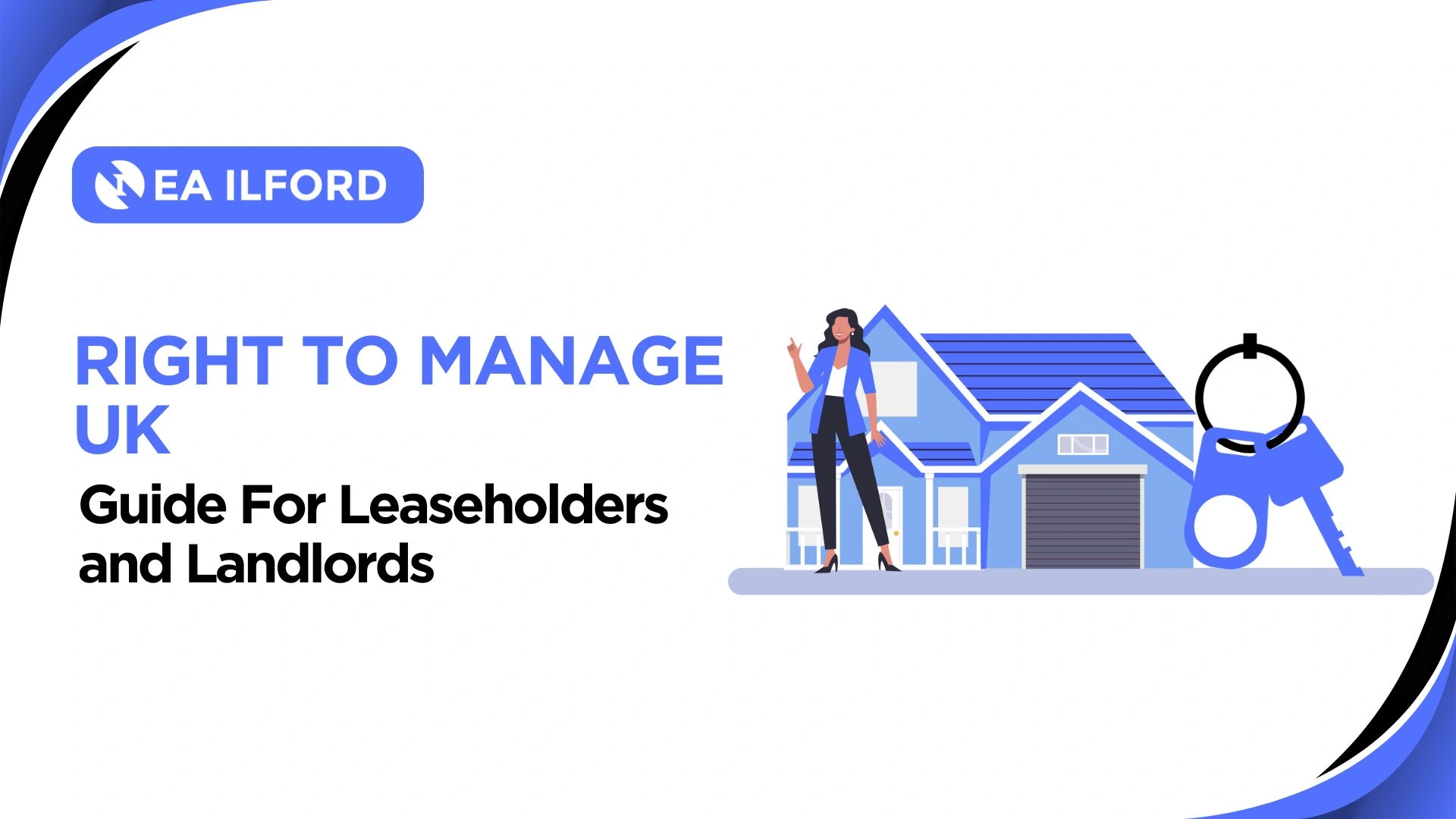
Everyone needs to understand their rights and laws in the world of real estate because this is not just about buying or selling a property. If you are a leasehold property owner, you have an important right called the Right to Manage under the 2002 Act. This right gives you more power than landlords or freeholders to manage your building, reduce unnecessary costs, and handle complaints or disputes. Here, Estate Agent Ilford discusses your RTM, its qualifying criteria, and how it affects the property’s other landlords, freeholders, and leaseholders.
What Does Right to Manage Mean In Real Estate?
The RTM is a legal right in England and Wales implemented by the Commonhold and Leasehold Reform Act 2002, by which the leaseholders of a building can take over the management right of the property. This means that they will be responsible for the repair or maintenance of communal areas and building structures, collecting or handling service charges, and dealing with other leaseholders’ complaints or issues.
The process is really simple, and it is a no-fault right. They can exercise their right even if the property’s maintenance is good, bad, or poor. They don’t need to prove and explain that the property is not well-maintained by freeholders or landlords, as long as the property and other leaseholders meet the qualifying criteria set out in the 2002 Act.

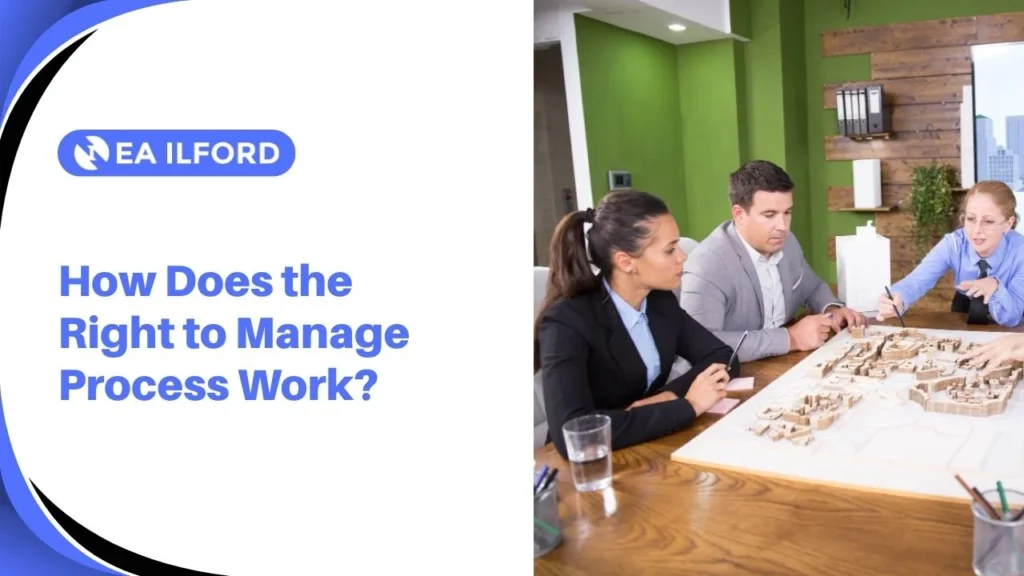
How Does the Right to Manage Process Work?
To exercise their right to run a property, leaseholders must establish an RTM company by following certain procedures and standards set out by the UK Government. The building’s leaseholders will be the members of the company, whereas the landlord can also be a member of the company management and vote.
The number of votes they get depends on the flats and non-residential units they own in the building. For Example, if 7 flats belong to other members and 3 to you (landlord) out of 10 flats, you will get only 3 votes, one for each property you own.
What Does Forming a Right to Manage Company Involve?
Creating an RTM Company involves these steps that every landlord, freeholder, or leaseholder should consider once:
- To be eligible for the company formation, the building must meet eligibility criteria, such as it must not be a house or part of a house.
- The leaseholder should gain support and permission from other lessees to create a company.
- Select a Director for the company who will examine all the management work and make a final decision on behalf of the firm and other participants.
- Rules, regulations, and other legal conditions should be mentioned in an article of association or memorandum to ensure equality and fairness among other leaseholders.
- To get the transfer of management after establishing the corporation, send an inviting notice to all leaseholders and freeholders property, or landlords of the property to become members of the firm.
- To take over the management responsibilities, landlords must agree to the notice. On the other hand, if they are not satisfied with the firm, the matter will be resolved through tribunals.

Qualifying Criteria For RTM
There are some qualifying factors or conditions that every leaseholder should meet to exercise their right to manage a property. To be qualified for the RTM,
- A building must contain at least two or more flats. Houses, or part of a house building type, are not acceptable for the RTM process.
- The building must be at least 50% or 75% residential. For Example, communal or public areas must not occupy more than 50% or 25% of the total floor space of the property.
- Any number of members can form a company, but at least half of the qualifying tenants or members must agree to participate to take over management responsibility of the building.
- Two-thirds of the flats must be under leaseholders, with long leases granted for more than 21 years, and the lease must not be a business tenancy.
Right to Manage Notice of Claim
The notice of claim is a document delivered to freeholders or landlords after the company is established, to get their approval for the takeover of building management. The notice outlines the following information:
- RTM company’s name and address
- Landlords’ and freeholders’ names and addresses
- The date you must answer to notice
- The date the RTM firm plans to acquire responsibility
Landlord’s Counter Notice To Dispute The Claim
Property owners can accept or dispute the claim by serving a counter-notice, whose deadline will be mentioned in the claim notice. They can challenge if they think:
- The company is not authorized to take responsibility for the property investment.
- The building doesn’t meet the eligibility criteria of the Right to Manage Agreement.
- The company doesn’t obey the statutory provisions or requirements.
- The participants don’t represent or prove half of the flats in the building.

Acquisition of The Right to Manage
If landlords approve the RTM company’s notice of claim and don’t challenge through the First-Tier tribunal, the firm will simply take over the management obligations and repair tasks of the property. The date on which RTM corporation acquires these responsibilities is specified in the notice and is called the date of acquisition. Acquisition date will be:
- Date given on notice letter if the freeholder or landlord accepts the claim simply without any dispute.
- After 3 months of the First-Tier tribunal, if the tribunal declares that the company is allowed the right to run the process.
Ongoing Management Approval Under Right to Manage Lease
Once the company secures the RTM, it will take over all the management work, including repair, maintenance, service decisions, improvements, and other management tasks. But one thing that should be clear here is that the property ownership or possession remains with the freeholders or landlords. The company is established only to improve the management work and add value to the property’s appeal.
The RTM company must inform freeholders about some essential aspects of the property to get their approval, required for the leaseholders. They must give freeholders:
- at least 30 days’ notice before approving the assignment, subletting, charging, and changes to the structure or use of the building.
- at least 14 days’ notice for any other kind of approvals.
Right to Manage Company Director’s Responsibilities
Many responsibilities and considerations come with the Right to Manage company that are important to understand in the initial phase. The obligations of an RTM company involve:
Financial Responsibilities
- Levy and collect management service charges from leaseholders
- Prepare budgets and manage financial accounts
- Keep the RTM company solvent and address late or non-paying leaseholders
- Arrange and maintain building insurance
- Oversee financial aspects of maintenance, repairs, and service provision.
Repair & Maintenance Responsibilities
- Ensure the building is properly maintained and repaired.
- Arrange inspections, obtain contractor quotes, and supervise works.
- Maintain communal areas, such as stairs, halls, lifts, plumbing, electrics, doors, windows, gardens, fences, etc.
- Maintain the building’s structure, such as foundations, roof, walls, floors, ceilings, beams, columns, communal windows, and skylights.
- Carry out fire risk assessments and safety measures.
- Arrange cleaning, refuse collection, and redecoration of common parts.
- Manage concierge and security services.
Management Responsibilities
- Make decisions on building use and access; set and enforce building rules.
- Appoint and supervise managing agents for day-to-day operations.
- Communicate with leaseholders via meetings, newsletters, or notices.
- Handle complaints from leaseholders, freeholders, or neighbors.
- Ensure compliance with company, housing, and health & safety laws.
- Appoint and support RTM company officers/directors; hold regular meetings.
- Manage legal obligations under TUPE where applicable.
Right to Manage Pros and Cons
These are some benefits of considering RTM:
- Greater control over costs: You decide how building funds are spent, which can help reduce unnecessary expenses.
- Potential cost savings: No need to pay fees to an external property management company.
- Freedom to choose contractors: You can appoint, change, or remove contractors at any time based on performance.
- Faster decision-making: Works can be approved and completed more quickly without waiting on third parties.
- Option to appoint a managing agent: You retain decision-making power but can delegate day-to-day management.
These are some disadvantages that every leaseholder or property owner should know before forming an RTM company.
- Time-consuming: Requires regular meetings to discuss and vote on decisions.
- Increased responsibility: Directors must organize work, pay contractors, and oversee maintenance.
- Stress and pressure: Managing repairs, budgets, and contractor performance can be demanding.
- Possible conflicts: Disagreements may arise among leaseholders or between leaseholders and the freeholder.
- Additional costs of hiring a managing agent: Though it reduces workload, it adds to expenses.
Final Thoughts:
Right to manage empowers a group of leaseholders to take charge of their property’s management by establishing an RTM company. But, with a great chance, responsibilities also come. The qualifying member selects a director for the firm by voting or mutual understanding, who is responsible for a lot of repair, financial, and maintenance work. For tailored advice on any topic related to property management, buying or selling process, contact Estate Agent Ilford.