Methods To Resolve Landlord-Tenant Disputes And The Role Of Mediation
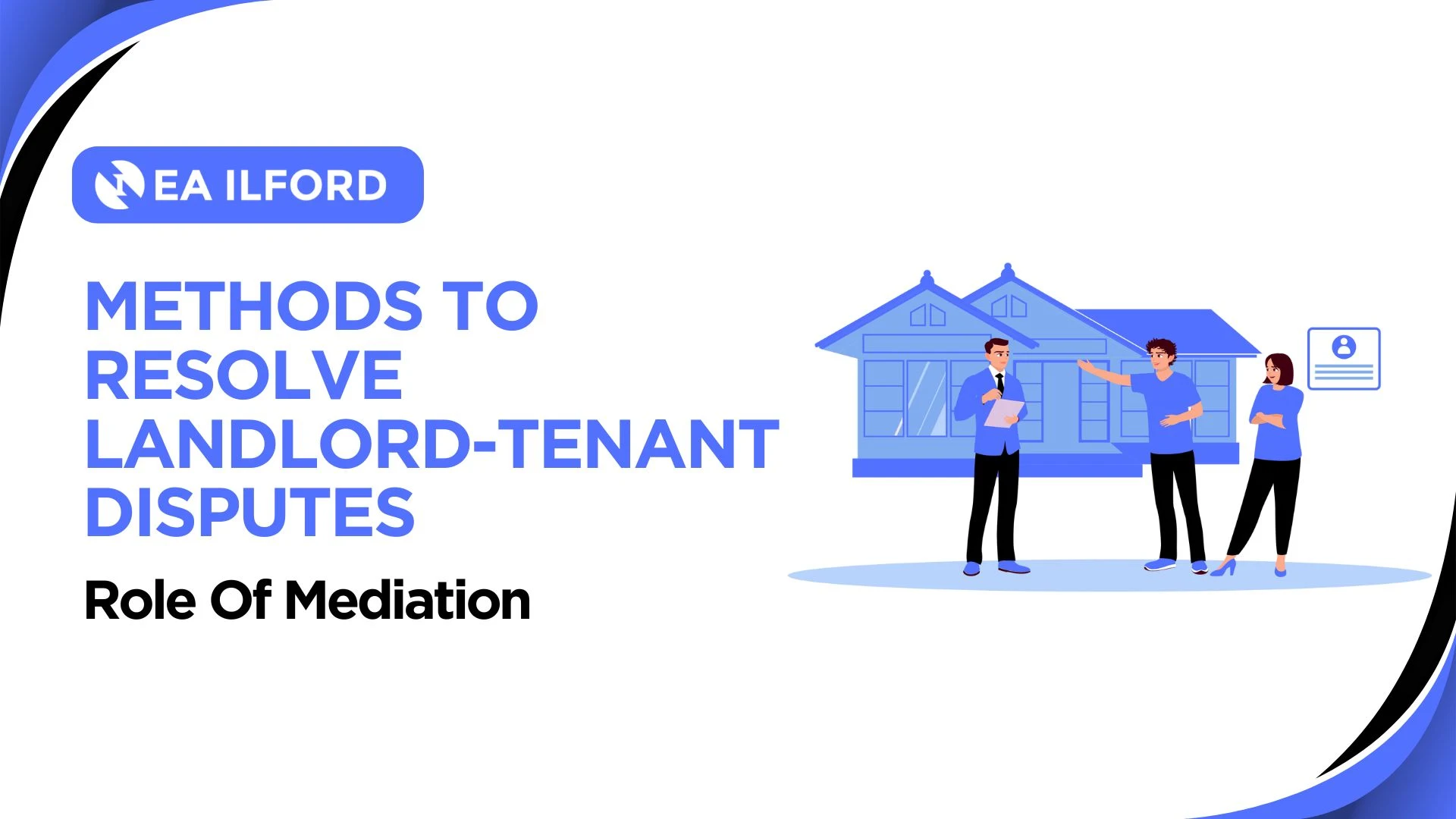
The rental relationship between landlords and tenants is not really simple. A small misunderstanding can grow into a full landlord-tenant dispute fast. Sometimes, a misunderstanding or failure to communicate leads to a conflict. If these issues are not resolved, parties may face serious financial complications.
Therefore, Estate Agent Ilford discusses some causes of disputes between landlords and tenants to provide long-term profit.

What Counts as a Landlord-Tenant Dispute in the UK?
A landlord-tenant dispute is any disagreement over rent, repairs, deposits, or notice periods. It also covers conduct that breaches the tenancy agreement or the actual statutory rights. Many disputes start in an informal way, and the landlords sort themselves out through straightforward talk between both parties. If talking does not work, tenants and landlords can move toward mediation, or use deposit scheme adjudication. The First-tier Tribunal can be used instead of going to court.
What Are The Main Causes of Landlord-Tenant Disputes?
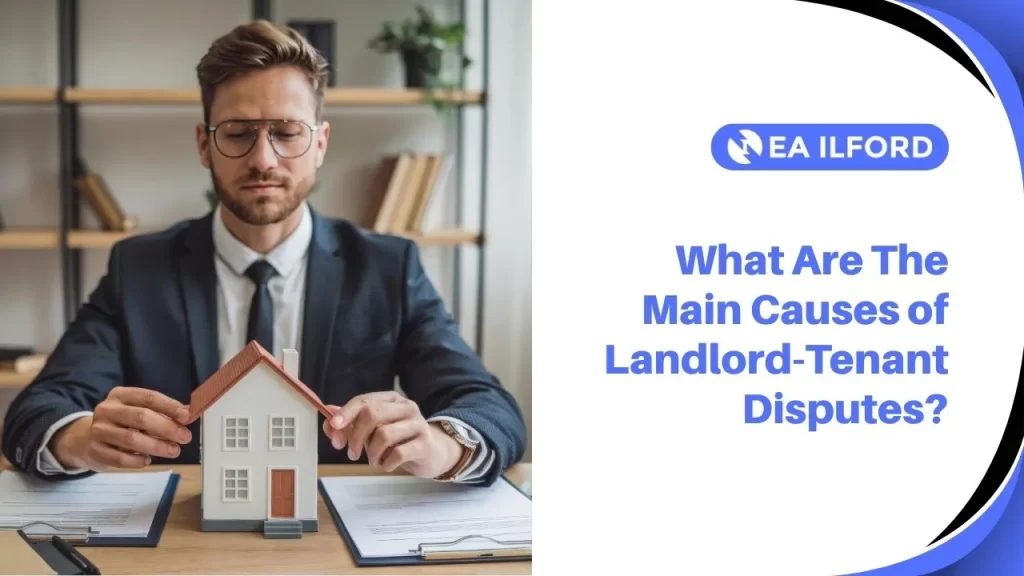
Conflicts between property owners and residents increase because of misunderstandings, contract violations, and rent increases. These tend to be the main causes behind Landlord-tenant conflict. To keep things settled, both sides have to get a clear picture of their legal rights and duties. However, understanding the troubles that might occur in many cases is crucial:
- To protect your investments or peace of mind
- To maintain a positive lease experience
- To resolve issues quickly and professionally.
Common Causes of Disputes Between Landlords and Tenants
Resolving common rental challenges helps to navigate Landlord-tenant disputes and the renting process with clarity, transparency, and statutory protection. The following disputes represent conflicts that tenants and landlords often experience with each other.
Rent Payment Issues
Residents who reside in the building sometimes fail to pay their rent because they do not recognise the payment schedule in the legal agreement. Multiple factors can create financial problems for the landlord unless they receive a proper explanation.
How to resolve:
Landlords possess legal authority to remove tenants who fail to follow established rules and regulations. The issue requires communication and open discussion to find better solutions than eviction. They may be facing many economic problems and can pay once their financial stability is restored.
Security Deposit Issues
Tenants pay security deposits to landlords before their move-in date. Landlords can deduct security deposits from tenants who cause property damage. The only reasons for deductions are violations of tenancy agreements, unpaid rent, bill payments, and damage costs. The full amount must be returned to the tenant within 30 days following the completion of their lease agreement.
How to resolve:
Landlords require an inventory checklist that needs to show the exact state and specific details of their rental properties. The tenants need to utilise this checklist and complete all required standards. The property needs to remain free from all dangers before inspections to prevent deduction problems.
Rental Property Damage Issues
Property damage can be caused by tenants intentionally or negligently, or by general wear and tear. Disagreement occurs over who should compensate for the impairment.
How to resolve:
Landlords and tenants should differentiate between true damage and general wear and tear. If the problem seems minor, try to resolve it on your own and deduct the cost from the deposit. But if the tenants end up causing major damage or breach the lease agreement, property owners can request compensation and additional cleaning services.
Repair and Maintenance Conflicts
Landlords are responsible for maintenance and necessary repairs, such as broken walls or electrical defects. Tenants, along with landlords, are responsible for keeping the rental property free from safety or health hazards.
How to resolve:
Disputes arise over who is responsible for fixing damage or paying for repairs. Therefore, the lease agreement should outline who is accountable for minor or major maintenance issues in a property.
Privacy and Access Disputes
Tenants have a legal right to live in a rental property without any disturbance issues because this is now their home. In most cases, property access and illegal entry by landlords is considered a common reason for conflict with tenants.
How to resolve:
Property owners should ask permission or give a proper 24-hour notice before entering the property. In case of emergencies, such as a flood, fire, or gas leakage, they have immediate access permission under UK law and don’t require notice.
Nuisance Issues
Other residents will file nuisance complaints about what the tenant is doing, like noise or hazardous acts. The landlord should review the whole situation first just to verify it holds up, before doing anything else.
How to resolve:
In this situation, the managing agents should tell the tenant that these issues are against the law and could lead to legal consequences. Also, they should stress the value of keeping a calm, peaceful living setup in the rental market, especially in London.
Eviction & Notice Disputes
Since 1 May 2026, landlords cannot just serve a Section 21 no-fault notice to end a tenancy. Every eviction has to use Section 8 under the Housing Act 1988. That means the landlord should point to a specific legal footing, for example, rent arrears or Ground 1A.
How to resolve:
Landlords should make sure they have the correct ground, and also confirm the exact notice period. If the wrong form is used, then the whole claim can end up being treated as void.
Other Ways to Resolve Landlord-Tenant Disputes
There are various other methods to settle a landlord-tenant dispute before it escalates, such as:
- Informal Negotiation or Direct Communication: The first step in resolving a conflict is to maintain clear communication with the other party to discuss concerns and thoughts. With the help of this approach, parties can avoid legal costs and understand their legal rights.
- Review the Tenancy Agreement: A tenancy agreement is a legally binding contract between the parties. It’s important they review the document because it sets out the rights and responsibilities for each side.
- Document Records: Landlords should maintain a written record of every action, including inspection reports, photographs, and any other evidence related to the tenancy. When the verbal discussion does not solve the issue, this document serves as evidence during a legal investigation.
- Write a Formal Letter: Inform tenants about dates, details, and evidence in a well-written letter. The letter ensures clarity and highlights specific issues an individual is going through.
- Seek Legal Advice: If every method fails and the matter goes to court, consult a solicitor for guidance and professional advice on legal procedures.
Tired of managing your rental property on your own? Our property management service takes care of compliance and tenant relations, so you don’t have to.
| Free legal advice for landlord & tenant disputes in the UK You might get free or low-cost legal support in the UK for landlord-tenant disputes through big advisory charities and also some government-funded services. |
How the Renters’ Rights Act 2026 Has Changed Landlord-Tenant Disputes?
The Renters’ Rights Act 2025 came into force on 1 May 2026. It changed how landlord-tenant disputes get handled. Every landlord and tenant should get a grip on these changes before anything goes all the way to a formal stage.
Section 21 Abolition
Section 21 no-fault evictions ended on 1 May 2026. After that, landlords cannot remove a tenant anymore unless they state a legal reason. For the notices they served before that date, they had until 31 July 2026 to take it to court. But that window is closed now.
New Section 8 Ground
Every eviction in England now has to go through Section 8. The route gets support from an expanded set of legal grounds for possession. Ground 1A means a landlord can ask for possession where they intend to sell the dwelling.
Protected Period & Periodic Tenancies
New tenancies now get a 12-month protected period where grounds like selling cannot be relied on. Fixed-term contracts have been phased out, with assured shorthold tenancies automatically becoming rolling periodic tenancies.
Section 13 Rent Increase Notices
Landlords can only increase the rent upward once a year. They have to send over a proper Section 13 notice in the mandated Form 4A. If a tenant thinks the new figure is sitting well above the going rate for the area, they can contest it. Also, the referral must reach the First-tier Tribunal before the rent increase takes effect.
Awaab’s Law & Repair Deadlines
Awaab’s Law is being extended to privately rented homes. It sets legally enforceable deadlines for fixing serious hazards like damp or mould. That change tightens the tenant’s position in a future repair and maintenance dispute.
| Know Your Rights | Tenants Rights UK vs Landlord Obligations Tenant rights cover a rolling periodic tenancy, and that extra layer against unfair rent rises. Also, tenants are more able to take a fairer track to ask about keeping a pet. Landlords still keep the ability to seek possession, using a proper Section 8 ground. Both sides of the balance help to stop that small disagreement. It keeps the whole thing from sliding into a formal dispute between landlord and tenant. |

Alternative Dispute Resolution Methods
Dealing with landlord issues can create major stress, yet you do not need to appear in court for every situation. The mediation and arbitration process provides an efficient solution, which enables professional resolution of problems. The methods help both sides achieve a fair solution because they save time and reduce stress.
When direct communication fails, tenants still have viable alternatives. Going by the right method can make the process smooth and keep conflict to a minimum.
Arbitration vs Mediation
- Arbitration: A third party gives a final decision that both sides must follow
- Mediation: A third party helps both sides agree on a solution
- Arbitration is more formal
- Mediation is more flexible and friendly
The methods provide benefits because they offer faster and more affordable solutions than court proceedings. Mediation costs less because it aims for mutual agreement, while arbitration delivers results that must be followed legally.
How can I avoid landlord-tenant disputes?
Landlord-tenant disputes occur frequently, but they can be prevented through proper attention to their issues. Both landlords and tenants should carefully read the rental agreement and understand all lease terms. Knowledge of legal rights and responsibilities enables people to avoid situations where they would misunderstand their legal obligations. The process establishes better respect between both parties in the rental agreement.
The parties involved should communicate about any problems that occur because they need to understand the situation without delay. The process of clear communication, which occurs at the right time, enables organisations to handle their issues. The complete collection of written materials requires you to maintain all your property-related documents, including emails, messages, and notes. Your ability to document events will serve as your defence while it simplifies the process of settling disputes.
Final Thoughts
Landlord-tenant disputes often arise due to various reasons, but clear communication and discussion can help to resolve them early. Negotiation, mediation, proper documentation, and seeking legal advice can prevent these issues from escalating. For expert advice or legal assistance, contact our team at Estate Agent Ilford.