When Does Making Tax Digital for Landlords Start and Who Must Comply?
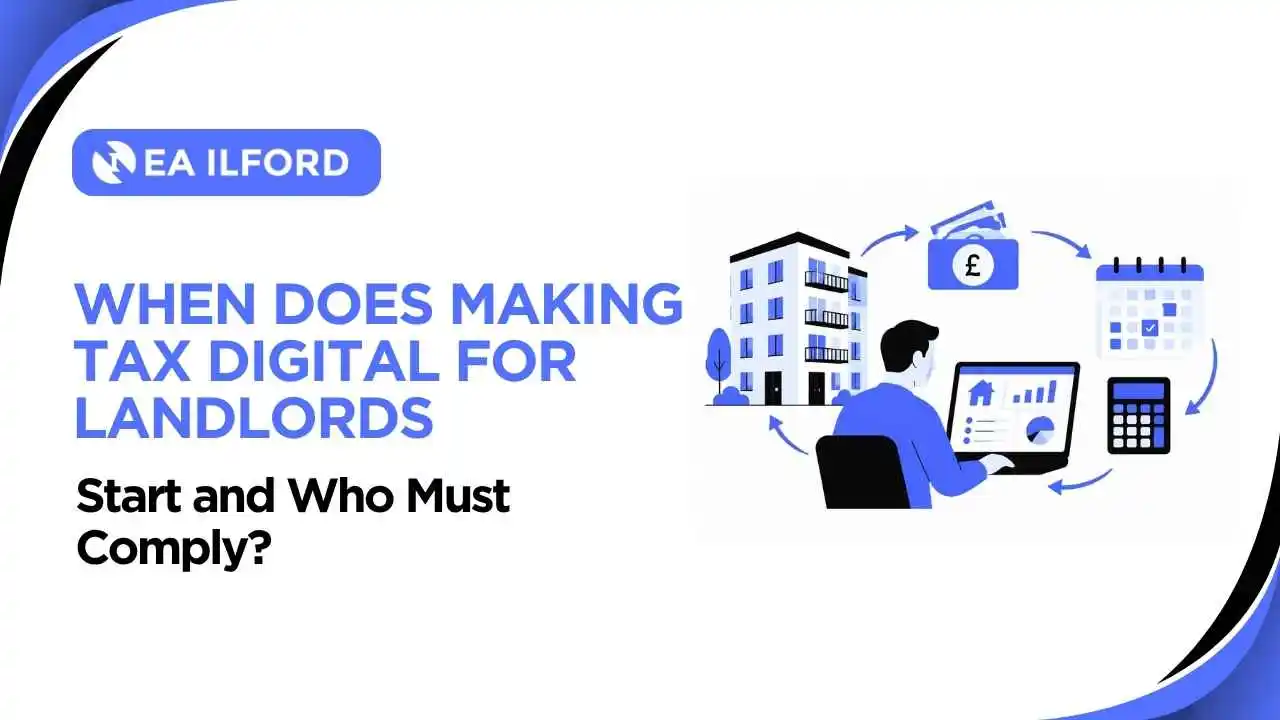
Making Tax Digital for landlords changes how HMRC collects income tax from rental income across the UK. The rules start on 6 April 2026 for landlords earning above £50,000 a year. Landlords will need to send digital updates every quarter instead of sending one Self Assessment return each year. Missing a deadline triggers penalty points and a fixed financial penalty from HMRC.
| QUICK FACTS: Making Tax Digital for Landlords From April 2026, landlords earning £50,000+ gross must use Making Tax Digital. The threshold falls to £30,000 in April 2027, and to £20,000 in April 2028. Quarterly updates are due every 3 months, plus one final declaration by 31 January. Missed deadlines earn penalty points; 4 points trigger a £200 fixed penalty. |
What Is Making Tax Digital for Landlords?
Making Tax Digital for Income Tax is a UK government plan to digitise how landlords report rent income. HMRC built the approach to reduce mistakes, make the checks faster, and help updates reach HMRC sooner. Rather than one tax return each year, landlords submit quarterly reports using approved software connected to HMRC. This follows the earlier Making Tax Digital rules that already apply to VAT-registered businesses across Britain.
MTD is one of several landlord compliance changes hitting UK landlords at once along with Renters Right Act. Unincorporated landlords, including people who rent property, are now covered by the new digital reporting rules.
| Note: Making Tax Digital for Income Tax applies only to individual landlords and people who own a property together. It does not cover limited companies. If a landlord owns the property through a company, that company still pays corporation tax. |

Who Must Use Making Tax Digital for Income Tax?
Making Tax Digital for landlords arrives in 3 stages, each triggered by a falling income threshold.
- From 6 April 2026, landlords with gross property income above £ 50,000 must comply immediately.
- This threshold is reduced to £30,000 starting from April 2027, pulling many more landlords across the country.
- By 2028, however, the threshold will drop to £20,000.
HMRC works this out from your gross rental income, not your profit figure, when determining your Making Tax Digital qualifying income.
Many landlords who own more than one rental place need extra help with day-to-day paperwork. Our landlord property management service’s organised records make calculating your qualifying income when a threshold check falls due.
Which Landlords Are Exempt From Making Tax Digital?
Several groups of landlords are automatically exempt from the requirement of Making Tax Digital, regardless of how much rental income they receive. There will be opportunities for landlords who are faced with personal reasons to submit their exemption applications.
- Charitable trustees who are managing rental properties on behalf of some other person
- Personal representatives managing property income of a deceased individual
- Landlords who do not have a National Insurance number for a relevant year
- Non-resident companies already reporting under corporation tax
- Landlords for whom age/disability/location makes reporting digitally difficult.
What Do Quarterly Updates Involve for Landlords?
Landlords who use Making Tax Digital must send four updates each year. The quarter runs from April to July, July to October, October to January, and January to April. For each quarter, the update has to be filed one month after the quarter ends. After the 4 updates, a final declaration is made to confirm the full-year figures. This final step replaces the old Self Assessment filing under Making Tax Digital for income tax self-assessment.
This declaration falls due by 31 January, matching the deadline landlords already recognise from Self Assessment.
Getting your expenses right matters too. Misclassifying costs between revenue and capital expenditure could distort your quarterly figures and trigger HMRC scrutiny.
Filing Deadlines for the 2026/27 Tax Year
Quarter | Period Covered | Update Deadline |
Quarter 1 | 6 April to 5 July 2026 | 7 August 2026 |
Quarter 2 | 6 April to 5 October 2026 | 7 November 2026 |
Quarter 3 | 6 April to 5 January 2027 | 7 February 2027 |
Quarter 4 | 6 April to 5 April 2027 | 7 May 2027 |
| Fact: All landlords covered by these rules must save digital records for 5 years after each tax year finishes. HMRC will not accept only paper ledgers or separate spreadsheets by themselves for record-keeping. |

How Does Making Tax Digital for Landlords Affect Joint Ownership?
Joint owners report only their own part of rental income, not the whole rent paid for the property. For married couples and civil partners, the split is fifty-fifty by default setup. HMRC can require a different declaration. Each joint owner checks the threshold separately, so one partner might qualify while the other stays exempt.
Co-owners can also use a simple three-line format to record total income and expenses in a digital log. This can make admin work lighter for landlords, especially when another partner is also a joint owner.

What Happens If You Miss a Making Tax Digital Deadline?
HMRC utilizes a points-based penalty system for every missed quarterly update or final declaration that is filed late. Each late submission earns one point, and once a total of 4 points is reached, a fixed penalty of two hundred pounds is imposed. Landlords who join in April 2026 avoid penalty points on late quarterly updates within their first year.
However, other responsibilities such as the year-end declaration take effect immediately and earn penalty points. Late payment penalties also apply, starting at 3% of unpaid tax after 15 days.
Not sure if your rent crosses the threshold? Use our rental income tax calculator to check your gross figure before HMRC does
Final Thoughts
Making Tax Digital for Landlords will change how rental income gets reported to HMRC alongside making tax digital for self-employed individuals. Starting in April 2026, some landlords will have to keep digital records and send updates every quarter. What counts as a qualifying landlord matters, as do the dates to file and the penalty rules. If you are in Ilford, it helps to gather your records now and pick software that fits your needs.