Can a Landlord Change the Locks Under UK Law: A Complete Guide
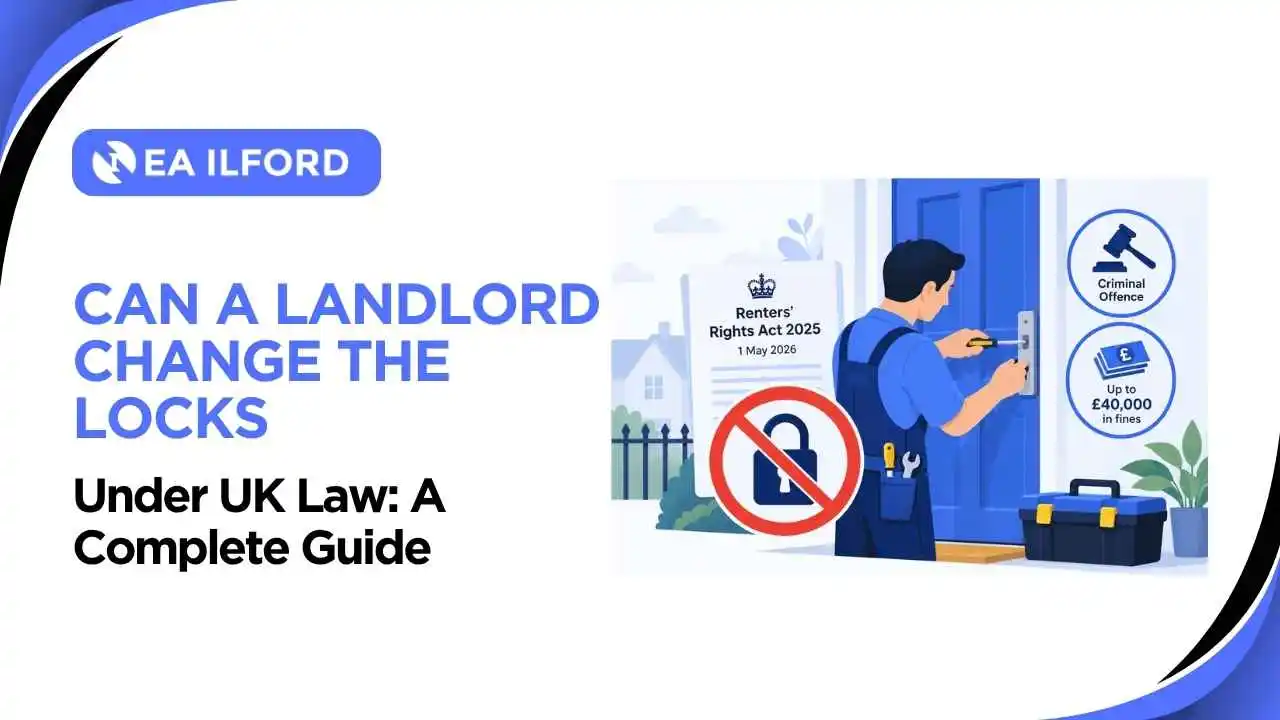
Landlords often face tenants with rent arrears and no answers, or properties that look abandoned. In this situation, can a landlord change the locks of their property? They can’t change the locks during a live tenancy, and doing it can be a criminal offence with unlimited fines and civil penalties up to £ 40,000.
Moreover, since the Renters’ Rights Act 2025 came into force on 1 May 2026, there’s no “no-fault” shortcut to regain possession. Still, they can’t change locks during tenancy. But there are lawful situations when they can change the locks, and this guide from Estate Agents Ilford covers all of them.
Can a Landlord Change the Locks During Tenancy?
No, a landlord in England a landlord can’t change the locks while a tenancy is active, even if the tenant is behind on rent or has broken the tenancy agreement. If you lock out a tenant who still has the right to live in the property, it can count as an unlawful eviction under the Protection from Eviction Act 1977. It’s a criminal offence, and the landlord may face criminal penalties or civil penalties for doing so.
Tenants with rent arrears, anti-social behaviour and a breach of the tenancy agreement are reasons to seek possession through the courts. But they are not reasons to change the locks.
The Renters Right Act also abolished Section 21 ‘no fault’ evictions, and therefore landlords must use Section 8 and prove a legal ground to evict tenants. A tenancy provides the tenant the legal right to occupy the property, and it continues until the end of the tenancy. No lock changes can bypass that right of tenants.

When is it Illegal to Change the Locks?
Changing the locks of a rental property is illegal whenever the tenant still has the right to live there and hasn’t agreed to change them. Changing the locks is unlawful:
- When tenants are out, and the landlord makes it impossible for them to get in.
- The tenant has fallen into rent arrears and is not answering.
- The tenant has breached the tenancy agreement.
- The tenant is on holiday or in hospital.
- A property looks abandoned to you, but haven’t confirmed it in writing.
- You changed the locks legally but haven’t given them the keys.
The rule of thumb is: If landlords are sure that the tenancy has properly ended, they can’t change the locks and can go for legal advice.
When Landlords Can Change the Locks By Law
Legally, landlords can change the locks when the tenant has no right to live in the property or the tenancy has ended. It’s also legal when tenants agree to it. There are five situations where that applies:
After a Court Possession Order and Bailiffs Eviction
If a tenant won’t leave after you’ve won possession, you still can’t just lock them out. The common causes of a possession order may include serious rent arrears, anti-social or criminal behaviour, and a landlord wants to move in or sell the property.
Gaining a possession order still doesn’t mean you can change the locks. The order only tells the tenant to leave by a set date. If they’re still there after that date, they’re still in the property, and locking them out is still unlawful eviction. You apply for a warrant and a bailiff enforcement officer carries out the eviction process. Only once they’ve removed the tenant and handed the property back to you, it’s lawful to change the locks.
Between Tenancies
Once the old tenancy agreement has ended and the landlord has gained possession, the locks are the landlord’s to change. Between tenancies, there is no legal rule saying you must change them, but it’s strongly recommended, because you are not sure who still has a spare key.
With the Tenant’s Consent
If the tenant agrees in writing, you can change the locks during the tenancy. Maybe they’ve lost the keys or the lock is faulty, so the landlord can consider changing it. Make sure every tenant on the agreement agrees, and give them new keys straight away.
In Case of Emergency
If there’s a real emergency such as break-in, a fire or a flood disaster, you can get in secure the property. In this case, you’ll contact the tenants and make sure what’s needed to keep the property safe and hand over the keys to the tenants the moment you can. It’s all about protecting the tenant, not locking them out without informing.
Abandonment
This is the riskiest one. If the tenant has really left for good, you may be able to change the locks, but a property that looks empty isn’t proof. Get written confirmation from the tenant that they’ve gone, or take legal advice first. If you have any doubt, leave the locks alone.
How the Renters Right Act Affects the Lock Changing Rules?
The Renters Right Act doesn’t give landlords any new right to change the locks. What changed is how you get the property back, and that makes lock changes even less of a shortcut. As Section 21 has gone, so landlords must use Section 8 possession grounds to evict tenants. The rule remains unchanged about locks: changing them is only lawful when the tenancy has properly ended or with the tenant’s consent.
When Can a Landlord Change the Locks Without Notice?
When there’s a genuine emergency or when the property is empty because the tenancy has ended, there’s no need to issue a notice or ask the tenant in writing. During a normal tenancy, a landlord can’t change the locks without the tenant knowing and agreeing to it.
Giving the tenant “notice” of a lock change doesn’t make it lawful if they still live there; consent does. Moreover, entering the property needs 24 hours’ notice, excluding emergencies.
What Locks Should A Property Have Between Tenancies?
There’s no specific law that says a landlord must change the locks when a tenant moves out. But it’s still recommended, as no one is sure who has a spare key and a former tenant could still have one.
Landlord Insurance And Lock Requirements BS 3621
Many landlords’ insurers in the UK expect external doors to have locks that meet British Standard BS 3621, which is usually a five-lever mortice lock. Some policies expect to change lock between tenancies. For example, if there’s a break-in with no sign of forced entry, an insurer may question the claim.
Smart Locks
Keypad or smart locks let you change the code between tenants without cutting new keys or changing locks. Remove old codes when tenants move out and tell your tenant who else can access the property.
Do HMOs and Fire Safety Rules Affect Which Locks You Can Fit?
Yes, they can. In a licensed HMO, locks on bedroom doors and shared doors may have to follow your license and fire safety rules. Final exit doors should open from the inside without a key, so people can get out quickly in a fire. Tenants can often lock their own room from inside, and some councils also expect the landlord to hold a master key for emergencies. Check your HMO licence conditions and fire risk assessment before changing any locks.

Who Pays for Lock Changes in a Rental Property?
Cost of changing locks goes to who depends on why the locks are being changed. It’s recommended to set this in the tenancy agreement first.
Situation | Who usually pays |
Between tenancies | Landlord |
Worn out or faulty lock | Landlord |
Break-in: not the tenant’s fault | Landlord |
Tenant asks for a change for their own reasons | Tenant |
Tenant loses keys or damages the lock | Tenant |
Tenant changes the locks without permission and doesn’t restore them | Tenant, which can be taken from the deposit if you can show the cost |
What Counts as Unlawful Eviction
Unlawful eviction means forcing a tenant out or stopping them from living in their home without using legal grounds. It’s a criminal offence and can lead to fines and penalties.
Criminal and Civil Penalties
Unlawful Eviction is a criminal offence, and it can lead to an unlimited fine and up to two years of prison. The council may issue a fine of 40,000 and the tenant can also claim damages through courts. In some cases, they can also apply for a rent repayment order, which means paying back rent.
Banning Orders and Rogue Landlord Database
A conviction can also get you banned from letting property, or put you on the Rogue Landlord Database. It directly affects the licenses of landlords, mortgages, and their reputation as landlords.
Can Tenants Change The Locks Of The Property?
Usually, tenants cannot change the locks of the property. Most tenancy agreements say a tenant can’t change the locks without the landlord’s written permission, so doing it without asking is normally a breach of the agreement.
If a tenant does change them, the landlord should get a spare key straight away, in case of emergencies or repairs. At the end of the tenancy, the tenant should put the original locks back, or the landlord can claim the cost from the deposit.
Conclusion
So can a landlord change the locks? Not during a live tenancy. The lawful times are only after gaining possession orders from court and bailiffs’ eviction. They can also change between tenancies and with the tenant’s written consent during tenancy. If you’re not sure the tenancy has properly ended, leave the locks alone and get legal advice first. An unlawful lock-out is a criminal offence and can cost far more than the time it takes to do it properly.
If you’d rather not manage keys, access and notices yourself, our property management service takes care of it for you.